The Fighting Game Community, or FGC, is a vibrant collective of gamers passionate about competitive fighting games like Street Fighter and Tekken. This blog post dives into the history of the FGC, tracing its roots from arcade origins to global esports phenomenon. We’ll educate you on key milestones, demonstrate the community’s impact through stories and stats, and fascinate you with its cultural evolution. Whether you’re a seasoned player or new to the scene, this journey through the FGC’s past will inspire you to engage with this dynamic community. Join us to explore how the FGC became a cornerstone of gaming culture, and share your thoughts in the comments!
Early Beginnings: Arcade Roots of the FGC
The Fighting Game Community began in the 1980s with arcade games like Karate Champ (1984), which introduced one-on-one combat. However, Street Fighter II (1991) revolutionized the genre, popularizing combos and character selection. Arcades became social hubs where players gathered, competed, and formed bonds. These venues fostered a sense of camaraderie, as players shared strategies and challenged rivals.
By the mid-1990s, titles like Mortal Kombat and The King of Fighters solidified the genre’s popularity. According to a 2014 study by Harper, arcade culture shaped the FGC’s competitive spirit, emphasizing skill and community interaction. My first arcade visit as a teen, watching skilled players dominate Street Fighter II, sparked my love for the FGC. The energy of those crowded arcades laid the foundation for a global community, setting the stage for future growth.
Golden Era: 1990s Fighting Game Boom

The 1990s marked the FGC’s golden era, driven by arcade advancements and iconic releases. Street Fighter II’s success spurred titles like Virtua Fighter (1993) and Tekken (1994), each expanding the genre’s depth. Arcades buzzed with players perfecting combos and forming local groups. Tournaments like Battle by the Bay (1996) emerged, precursors to modern events like Evo.
This era saw the FGC grow beyond arcades, with home consoles bringing games to wider audiences. However, arcades remained the heart of competition, fostering rivalries and legends like Daigo Umehara. A 2018 study noted that the FGC’s arcade roots created a unique culture of skill-sharing (https://www.gjcpp.org/en/article.php?issue=29&article=183). I recall practicing combos at home, dreaming of arcade glory. The 1990s cemented the FGC as a passionate, skill-driven community, ready for global expansion.
Evolution of Tournaments: Rise of Evo
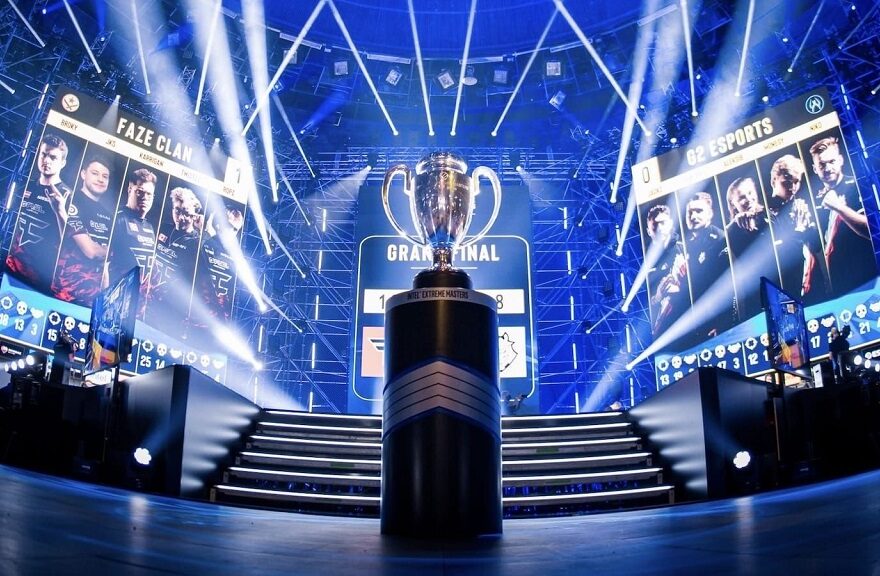
Tournaments transformed the FGC, with Evo (Evolution Championship Series) leading the charge. Starting as Battle by the Bay in 1996, Evo grew into the world’s largest fighting game event by the 2000s. Moments like Evo Moment 37 (2004), where Daigo’s parry stunned audiences, became iconic, with over 20 million views reported by Kotaku. These events showcased the FGC’s skill and drama.
Evo’s growth reflected the FGC’s shift to organized competition. By 2023, Evo’s Street Fighter 6 event drew 7,061 players, breaking records for offline brackets. Tournaments fostered community spirit, uniting players globally. Watching Evo streams, I felt the thrill of every match, inspiring me to join local events. Evo’s rise demonstrated the FGC’s ability to captivate audiences, paving the way for esports integration.
Digital Shift: Online Play and Streaming
The 2000s brought online play, reshaping the FGC. Games like Street Fighter IV (2009) introduced robust online modes, connecting players worldwide. Platforms like Twitch, launched in 2011, amplified the community’s reach, with Evo 2024 drawing over 120,000 livestream viewers. Streaming allowed players to share strategies and build followings, democratizing the FGC.
However, online play faced challenges like lag and toxic behavior. Despite this, it expanded access, letting newcomers join without arcade access. My first online match was a mix of excitement and frustration, but it taught me resilience. The digital shift made the FGC more inclusive, though it retained its competitive core, adapting to a new era of connectivity.
Cultural Impact: Diversity and Challenges in the FGC
The FGC’s global reach highlights its diversity, with players from Japan, the US, and beyond. Yet, challenges like misogyny and racism persist, as noted in a 2014 study by Harper, which found systemic issues in gaming communities (https://www.gamestudies.org/1401/articles/harper). Efforts to address these include inclusive tournaments and community guidelines.
The FGC’s culture celebrates skill and camaraderie but grapples with inclusivity. My experience at a local tournament showed the community’s warmth, yet I heard stories of exclusion. Initiatives like women’s invitationals aim to bridge gaps, ensuring the FGC grows as a welcoming space for all, reflecting its diverse player base.
Content Creation: Educating and Engaging the FGC
Content creators have elevated the FGC, offering guides, analyses, and stories. Channels like Core-A Gaming provide in-depth breakdowns, educating players on mechanics and culture. Social media platforms like Reddit’s r/Fighters foster discussion, with over 165,000 members sharing tips and history.
However, content often focuses on games over community stories. Creators like Sajam blend humor and expertise, inspiring new players. I started creating combo videos, connecting with others online, which deepened my FGC involvement. Content creation informs and unites the community, driving engagement and preserving its rich history for future generations.
Esports Era: FGC Goes Global
The FGC’s integration into esports marked a new chapter. Street Fighter V and Tekken 7 became esports staples, with events like Evo 2024 hosting 9,221 competitors. Sponsors like Capcom and Sony boosted prize pools, professionalizing the scene. This shift brought mainstream attention but sparked debates about losing grassroots charm.
Esports expanded the FGC’s reach, attracting diverse players. Watching pros like Infiltration compete inspired me to improve my skills. However, some fear commercialization dilutes the community’s soul. Balancing tradition with growth remains key, as the FGC navigates its place in the global esports landscape.
Tips for Engaging with the FGC
Joining the FGC is rewarding but requires effort. Here are practical tips to dive in:
- Join Local Scenes: Attend local tournaments or Discord groups to connect with players.
- Practice Consistently: Dedicate time to learn combos and strategies for your favorite game.
- Watch Content: Follow creators like Core-A Gaming for insights and tutorials.
- Be Respectful: Embrace inclusivity and avoid toxic behavior online or offline.
- Attend Events: Experience the thrill of Evo or smaller tournaments to feel the community’s energy.
These steps help newcomers integrate while respecting the FGC’s culture, ensuring a positive experience.
Conclusion
The Fighting Game Community has evolved from arcade battles to global esports, driven by passion and skill. From Street Fighter II’s impact to Evo’s record-breaking events, the FGC’s history is a testament to its resilience and diversity. Despite challenges, its commitment to community and competition shines. Whether you’re a player or fan, the FGC offers a unique space to connect and grow. Share your FGC story in the comments or spread this article to inspire others to join this vibrant community!
FAQs
What is the Fighting Game Community (FGC)?
The FGC is a global group of gamers passionate about competitive fighting games, fostering skill, camaraderie, and tournaments.
When did the FGC start?
It began in the 1980s with arcade games like Karate Champ, but Street Fighter II (1991) sparked its growth.
What is Evo in the FGC?
Evo is the largest fighting game tournament, starting in 1996, known for iconic moments like Evo Moment 37.
How has online play impacted the FGC?
Online play and streaming, like Twitch, expanded access and engagement, connecting players globally since the 2000s.
How can I join the FGC?
Join local tournaments, practice games, follow content creators, and engage respectfully on platforms like Discord.