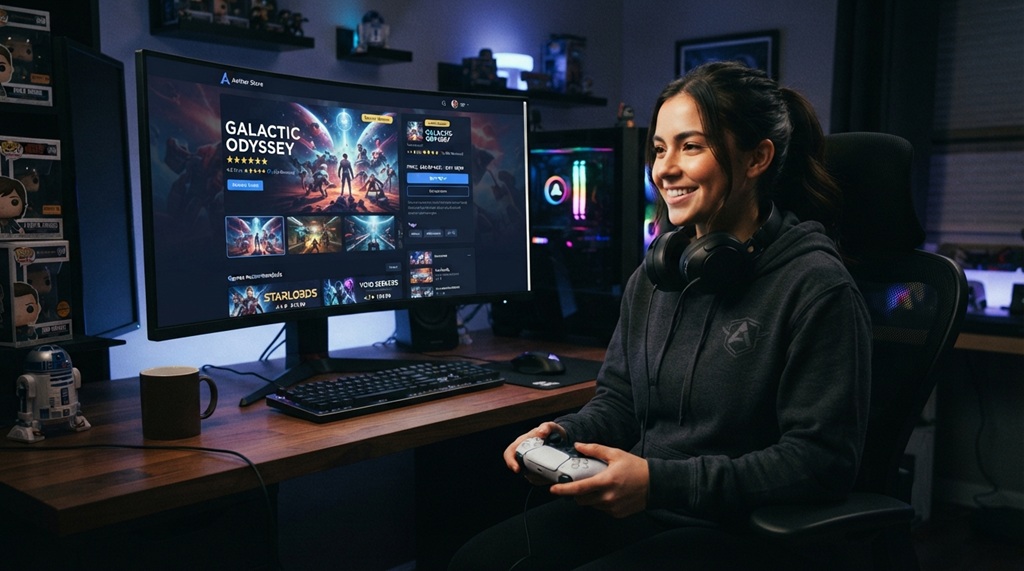
You want to know if a new game is worth buying before you spend your money. Look at three things first: reviews from real players, gameplay footage, and the developer’s track record. These three checks catch most bad purchases before they happen.
Games cost more than ever. A single title can run you $60 to $80. That’s real money, and nobody wants to drop it on a game that gets boring after two hours.
This guide walks you through exactly how to check a game’s worth. You’ll learn what to look for, what to ignore, and how to trust your own judgment.
Check the Review Scores But Read Between the Lines
A high score doesn’t always mean the game fits you. Scores give you a starting point, not the full picture.
Critic scores often miss what matters to everyday players. A reviewer might praise a game’s story but skip over its repetitive combat. Read past the number. Open two or three reviews and skim what they actually say about the gameplay loop.
Look at User Reviews Too
User reviews catch things critics miss. Players often mention bugs, grind, or missing content that critics don’t have time to notice.
Sites like Steam show a percentage of positive reviews. Anything above 80% “Very Positive” is usually safe. But also check the volume. A game with 50 reviews tells you less than one with 5,000.
Watch for Review Bombing
Sometimes a game gets flooded with negative reviews for reasons that have nothing to do with quality. This is called review bombing. It can happen after a controversial patch, a pricing change, or an unpopular decision by the developer.
Check the dates on negative reviews. If they all cluster around one event, the score may not reflect the actual gameplay.
Watch Real Gameplay Footage, Not Just Trailers
Trailers are marketing. Gameplay footage shows you the truth. Cinematic trailers get edited to look exciting. They often don’t represent how the game actually plays.
Search YouTube for “[game name] gameplay” instead of relying on the official trailer. Look for videos from regular players, not sponsored content. Streamers who play blind reactions give you an honest first impression.
Pay attention to the UI, the pacing, and how repetitive the core actions look. If every clip shows the same three moves, that’s a warning sign.
Research the Developer’s Track Record
A studio’s past games tell you a lot about what to expect from their next one. Developers tend to repeat their habits both good and bad.
If a studio has a history of shipping broken games and patching them for months, expect the same pattern again. If they consistently deliver polished, finished products, that’s a strong signal.
Check Their Communication History
Good developers talk to their community. They post updates, respond to bug reports, and explain delays. Studios that go silent before launch, then drop a rushed release, often produce weaker games.
Look at the developer’s social media or forums from their last one or two releases. Did they fix problems fast? Did they listen to feedback? This tells you how they’ll likely handle this new game too.
Value Per Hour: Measuring Content Against Cost
Price alone fails to reflect a video game’s true value—the real depth and longevity behind that price tag do. While a $70 title delivering 40 hours of captivating gameplay offers exceptional value, a $20 game that loses its appeal within two hours quickly turns into a disappointing purchase. Before reaching for your wallet, learn check if a new game Is worth your money by cross-referencing platforms like HowLongToBeat to evaluate playtime metrics alongside gameplay trailers, player reviews, and refund policies. Ultimately, weighing a game’s total cost against its estimated length ensures every purchase aligns with your personal budget and standard for meaningful entertainment.
Watch Out for Hidden Costs
Some games look affordable upfront but nickel-and-dime you with microtransactions. Free-to-play and even full-price games sometimes lock content behind paywalls.
Before buying, search “[game name] microtransactions” or “[game name] pay to win.” This quick search saves you from surprise costs down the road.
Try Before You Buy When Possible
Demos, free trials, and refund policies let you test a game with zero risk. Use them whenever they’re available.
Platforms like Steam offer refunds within two hours of playtime and two weeks of purchase. Xbox and PlayStation have similar policies, though the exact windows vary. This gives you a real safety net if a game turns out disappointing.
Some publishers release limited demos before launch. Others allow beta access. If you can try a slice of the game first, take that chance. It beats guessing based on marketing alone.
Trust Community Discussions Over Marketing Hype

Online communities often catch problems that official marketing hides. Reddit threads, Discord servers, and gaming forums give you unfiltered opinions from people who already bought the game.
Search the game’s subreddit before you buy. Look for recurring complaints things like server issues, unbalanced difficulty, or unfinished content. If the same complaint shows up in multiple posts, take it seriously.
This is one angle a lot of buying guides skip: check the pinned “Megathread” or FAQ post on a game’s subreddit right after launch. These threads usually collect known bugs, performance issues, and community-tested fixes in one place faster and more reliable than scattered individual reviews.
Frequently Asked Questions
How long should I wait after launch before buying a new game?
Waiting one to two weeks lets early bugs surface and gives reviewers time to publish honest impressions. This also gives the community time to report major issues. If a game launches broken, developers usually patch the worst problems within this window.
Are Metacritic scores reliable for judging a game’s worth?
Metacritic scores work as a rough guide, but they average out very different opinions into one number. A 75 score might mean “solid but flawed” to one reviewer and “boring” to another. Always read a few actual reviews behind the number.
Is it worth buying a game at full price on release day?
Only buy at full price if you’re confident in the developer’s track record and have seen real gameplay footage you like. Otherwise, waiting for a sale or a price drop reduces your financial risk with little downside.
How can I tell if a game has pay-to-win mechanics before buying?
Search “[game name] pay to win” or check the game’s subreddit for complaints about balance. Free-to-play games are the most common offenders, but some full-price titles include microtransactions too. A quick search usually reveals this fast.
What’s the safest way to try a game without wasting money?
Use official demos, free trial periods, or platform refund policies like Steam’s two-hour window. These options let you test the actual gameplay before committing your full purchase.
Conclusion
Knowing if a new game is worth your money comes down to research, not guesswork. Check real reviews, watch actual gameplay, look into the developer’s history, and compare price to content. Use demos and refund policies whenever you can, and always check what the community is saying before you commit.
A few extra minutes of research can save you from wasting $60 or more on a game that doesn’t deliver. Make that time part of your buying habit, and you’ll rarely regret a purchase again.