You want a real number, not a guess. To value old video games and collectibles accurately, check completed sale prices on trusted marketplaces, confirm the item’s condition and completeness, and compare it against recent sales of the same title or item in the same shape.
Old cartridges, sealed boxes, and rare peripherals do not have one fixed price. Values shift with demand, condition, and even regional print runs. A copy of a game sitting in your closet could be worth $5 or $500, and the only way to know is to check real data instead of relying on memory or nostalgia.
This guide walks you through the exact steps collectors and sellers use to price games and collectibles with confidence. You will learn which tools to trust, how grading affects price, and common mistakes that lead people to overvalue or undervalue their items.
Why Video Game Values Vary So Much
Video game prices swing widely because supply, demand, and condition rarely line up the same way twice. Two copies of the same game can sell for very different amounts depending on these factors.
Print Runs and Rarity
Some games sold millions of copies. Others had small print runs, especially late in a console’s life cycle. Low print numbers usually mean higher prices today, since fewer copies survive in good shape.
Regional Differences
A game released in Japan may be worth less (or more) than the same title sold in North America or Europe. Region-locked consoles, language variants, and box art differences all affect demand from collectors who want a specific version.
Collector Trends
Interest in certain consoles or genres rises and falls. A system that nobody wanted ten years ago might now have a dedicated fan base driving prices up. According to industry experts, retro gaming demand has grown steadily as people revisit childhood favorites and as physical media becomes scarcer.
Step-by-Step: How to Check a Game’s Real Market Value
Follow these steps in order. Skipping steps often leads to a price that is way off from what buyers will actually pay.
Step 1: Identify the Exact Version
Confirm the platform, region, and edition before you search for prices. A “Greatest Hits” or “Player’s Choice” reprint is usually worth less than the original black-label release, even though the game itself is identical.
Step 2: Check Completed Sales, Not Active Listings
Active listings show what sellers hope to get, not what buyers actually pay. Filter marketplace searches to show “sold” or “completed” listings only, then look at the last 10 to 15 sales for a realistic average.
Step 3: Use Multiple Pricing Sources
Cross-check at least two or three sources before settling on a number. Popular options include:
- PriceCharting – tracks loose, complete, and new prices across platforms
- eBay sold listings – shows real recent transactions
- GameValueNow – another database focused on game and console pricing
- Heritage Auctions – useful for high-end, rare, or graded items
Step 4: Adjust for Condition
Raw pricing tools usually show an average. Your specific copy may sell for more or less depending on its physical state, which brings us to grading.
How Condition and Grading Affect Value
Condition is often the single biggest factor in price, sometimes mattering more than rarity itself. A common game in mint condition can outsell a rare game in poor shape.
Understanding the Grading Scale
Most collectors sort items into a few basic tiers:
- Sealed/New – factory sealed, never opened
- Complete in Box (CIB) – game, box, and manual all present
- Loose/Cart Only – just the game disc or cartridge, no box or manual
- Damaged – water damage, cracks, missing labels, or non-functional
Professional Grading Services
For higher-value items, professional grading adds credibility and can boost resale price. Services like WATA and VGA grade sealed games and assign a numeric score based on box condition, seal integrity, and overall preservation. Graded games typically sell for a premium compared to ungraded copies of the same title, since buyers trust the third-party assessment.
Why a Small Flaw Can Cost You
A torn corner on a box, a missing manual page, or a faded label can drop the price significantly, sometimes by 30% or more. Buyers who collect seriously pay close attention to these details, so always inspect and photograph your item closely before listing or valuing it.
Valuing Non-Game Collectibles: Consoles, Peripherals, and Merchandise
While physical software often takes center stage, high-tier hardware, limited-edition controllers, promotional memorabilia, and original factory packaging frequently command even steeper premiums due to their relative scarcity and vulnerability to wear over time. Accurately assessing these assets requires evaluating structural integrity, color preservation, and operational integrity alongside complete-in-box (CIB) status. However, as retro collecting increasingly spans both tangible media and digital platforms, securing your overall transaction footprint remains paramount; if your trading ventures extend beyond physical hardware into digital assets, mastering trade game accounts safely without getting scammed is essential for protecting your portfolio’s total value.
Consoles and Limited Editions
Standard consoles usually hold modest value unless they are working, boxed, and complete. Limited-edition or bundle consoles, especially ones tied to a specific game launch, often sell for much more than the base model.
Promotional and Store Display Items
Store displays, cardboard standees, and promotional posters were often thrown away after use, making surviving examples rare. These items can fetch surprisingly high prices at auction because so few were kept intact.
Strategy Guides, Manuals, and Ephemera
Printed strategy guides and manuals are easy to overlook but can be valuable on their own, separate from the game itself. Condition matters just as much here: creased spines, water stains, or missing pages lower the price noticeably.
Common Mistakes That Lead to Inaccurate Valuations

Many sellers and buyers get pricing wrong for the same handful of reasons. Avoiding these mistakes will save you time and prevent you from over- or under-pricing your collection.
Trusting Asking Prices Over Sold Prices
Just because someone is listing a game for $200 does not mean it will sell at that price. Always base your valuation on completed transactions, not hopeful listings.
Ignoring Reproduction and Counterfeit Risks
Reproduction carts and resealed “fake sealed” games are common in the retro market. Learn to spot warning signs like inconsistent shrink wrap, incorrect fonts on labels, or seams that do not match factory originals, since these directly affect real value.
Overestimating Sentimental Value
A game you loved as a kid is not automatically valuable just because it means something to you. Market value depends on demand from other collectors, not personal memories, so separate sentiment from price when you value an item.
Not Accounting for Regional Price Differences
A price you find on a US site may not apply if you are selling in a different country. Currency, shipping costs, and local demand all shift what buyers in your region will actually pay.
An Often-Missed Tip: Track Long-Term Price Trends, Not Just One Snapshot
Most guides tell you to check a price once and move on. A more accurate approach is to track how a title’s value has moved over the past 6 to 12 months before you buy or sell.
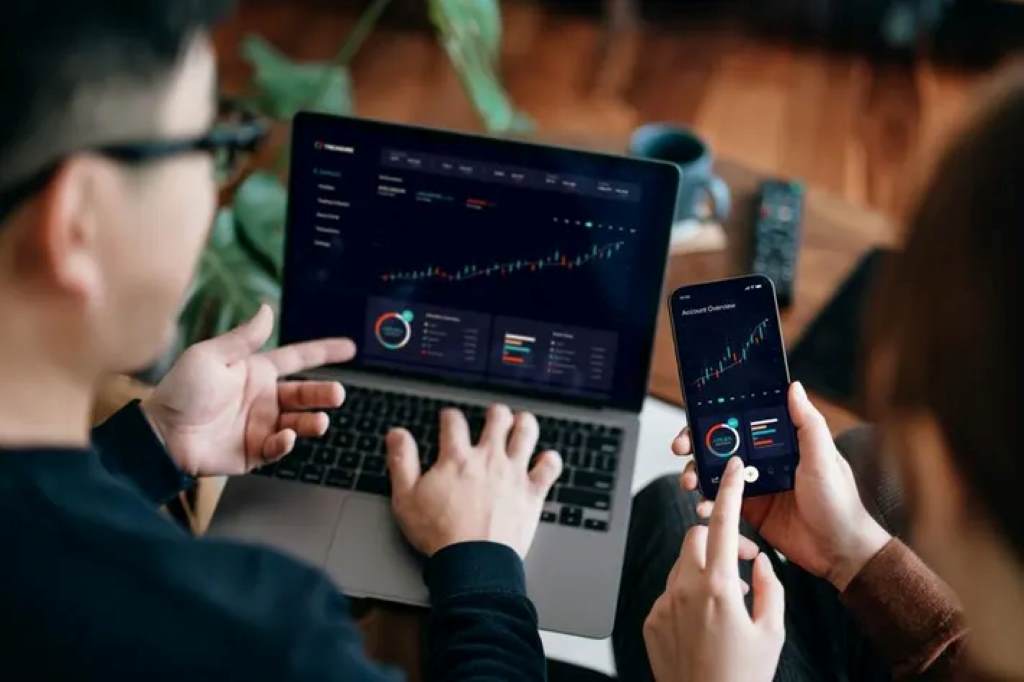
PriceCharting and similar tools let you view historical price charts, not just current averages. A game that spiked in price recently due to a YouTube video or a nostalgia wave might drop back down once interest fades. Checking the trend line, not just today’s number, helps you avoid buying at a temporary peak or selling for less than a game is really worth during a rising trend.
This single habit separates casual sellers from serious collectors, and it takes only a few extra minutes per item.
Frequently Asked Questions
How do I know if my old video game is worth anything?
Search the exact title, platform, and region on a pricing tool like PriceCharting or check recent sold listings on eBay. Even common games often carry small resale value, while rare or complete-in-box copies can be worth significantly more.
Does a missing box or manual really lower the value that much?
Yes, often significantly. A complete-in-box copy can sell for two to five times more than the same loose cartridge, depending on the title and its overall rarity.
Is it worth paying for professional grading?
Grading makes the most sense for rare, sealed, or high-value items where the cost of grading is small compared to the potential price increase. For common titles worth under $50, grading fees usually are not worth it.
How can I tell if a “sealed” game is fake?
Compare the shrink wrap pattern, sticker placement, and seam lines against verified authentic photos of the same release. Inconsistent fonts, uneven wrap, or a seal that looks too new for the game’s age are common red flags.
Where is the best place to sell valuable retro games?
Auction houses like Heritage Auctions work well for high-value or graded items, while eBay suits most everyday sales. Local collector groups and conventions can also connect you with buyers willing to pay fair prices without marketplace fees cutting into your total.
Conclusion
Accurately valuing old video games and collectibles comes down to a simple process: identify the exact item, check real completed sales, and factor in condition and grading. Skip the guesswork of asking prices and sentimental value, and instead lean on data from trusted pricing tools and historical trends.
Whether you are cleaning out a closet or building a serious collection, taking these extra steps before you buy or sell will help you land on a price that reflects what the market will actually pay.