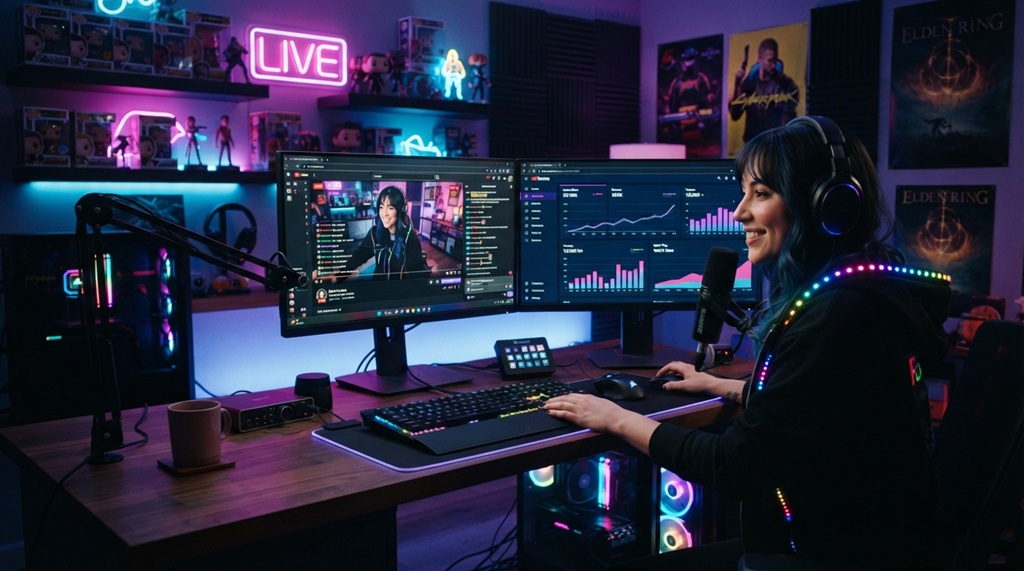
Growing a gaming audience from scratch starts with picking one platform, streaming or posting consistently for at least 8-12 weeks, and engaging every single viewer or commenter like they’re your first 1,000 subscribers. There’s no secret algorithm hack that replaces this the creators who “blow up” almost always put in months of unglamorous, repetitive work before anything clicked. If you’re starting at zero followers today, that’s not a disadvantage; it’s just the starting line everyone else stood at once too.
This guide breaks down exactly what to do in your first year, from choosing the right platform and niche to building a content system you can actually sustain, without burning out or chasing every trend that pops up.
Choose the Right Platform Before You Choose a Game
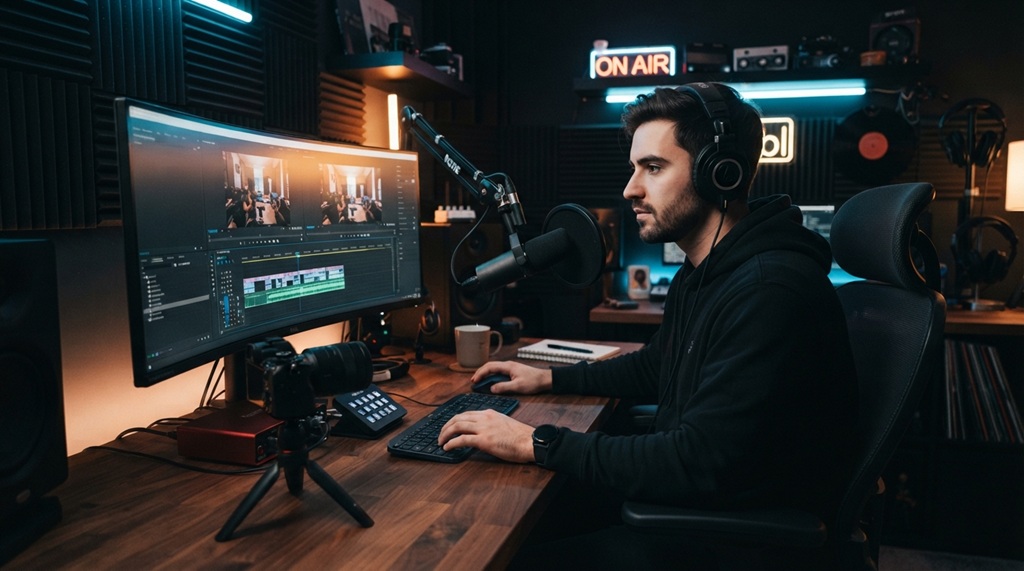
Pick the platform where your target audience already spends time, not the one with the biggest total user base. A huge platform with the wrong audience for your content style will grow slower than a smaller platform that’s a perfect fit.
Aligning Platform Strategy with High-Impact Content Execution
Whether your strength lies in long-form commentary or polished storytelling, matching your natural workflow to the right platform dictates how fast your community grows. Broadcasters thriving on live interaction and real-time chat will find Twitch and YouTube Live ideal for fostering immediate connections, whereas creators focused on crisp editing and narrative structure can leverage TikTok, YouTube Shorts, or long-form videos without relying on a concurrent audience. Regardless of your primary channel, establishing a secondary hub like Discord ensures continuous engagement between releases yet true, long-term audience retention ultimately hinges on editorial authority. Converting casual viewers into a dedicated following requires mastering write game articles that gamers will actually read, turning one-time visitors into repeat traffic through consistently compelling, value-driven insights.
Don’t Split Your Energy Across Five Platforms at Once
New creators often try to post everywhere simultaneously, which spreads effort too thin to build momentum anywhere. Pick one primary platform for the first 3-6 months, get a consistent rhythm going, and only then repurpose content to a second platform.
Pick a Niche That’s Specific, Not Just “Gaming”
A specific niche makes it dramatically easier for the right people to find you, because “gaming” as a category is too broad for search or recommendation systems to know who to show you to. Instead of being “a gaming channel,” aim to be known for something narrower a specific game, genre, format, or personality angle.
Some examples of niches that work well for new creators:
- One game you deeply understand (a single roguelike, a specific competitive shooter, a niche indie title with an underserved fanbase)
- A format, like speed running, challenge runs, or co-op content with a consistent partner
- A perspective, like teaching beginners, analyzing patch changes, or reacting to game news with strong opinions
The niche doesn’t have to be permanent. Many successful creators broaden their content later, once they have an audience that trusts them. But narrowing early makes discovery easier and gives you a clear identity to build around.
Build a Content Schedule You Can Actually Keep for 90 Days
Consistency beats intensity when you’re starting from zero a realistic schedule you can maintain matters more than an ambitious one you abandon after two weeks. Platforms and viewers both reward reliability; algorithms favor accounts that post regularly, and audiences build habits around creators who show up when expected.
Set a Frequency Below Your Actual Capacity
If you think you can stream four days a week, commit publicly to two or three. Under promising and consistently delivering builds more trust than overcommitting and burning out by week six, which is one of the most common reasons new creators quit before any traction shows up.
Batch Content Planning, Not Just Content Creation
Spend one session per week planning titles, thumbnails, and talking points for the week ahead instead of deciding what to make the day of. This removes decision fatigue on recording days and keeps quality more consistent, since you’re not improvising your entire concept in real time.
Engage With Every Single Viewer Like They’re Your Whole Audience
Respond to comments, chat messages, and mentions personally in the early stages, because at low numbers this personal attention is one of the few advantages you have over larger creators. A viewer who gets a genuine reply from a creator with 40 viewers is far more likely to return than one who gets ignored by a creator with 40,000.
This is the angle most “how to grow” guides skip: treat your first 100 real fans as a community to manage, not a number to grow. Learn their names, remember what games they mentioned liking, ask follow-up questions in your next stream or video. Small creators who do this consistently tend to build much stronger word-of-mouth growth than those who only focus on output volume, because early fans who feel genuinely seen become unpaid promoters they invite friends, they comment on your behalf in other communities, they defend you in arguments you never see.
Use Community Platforms to Extend Conversations
A Discord server, even a small one, gives fans a place to talk to each other and to you outside your streaming or upload schedule. This turns passive viewers into an actual community, which is far stickier than a subscription that only exists on one platform.
Collaborate With Creators at a Similar Size

Cross-promotion with creators who have a similar or slightly larger audience is one of the fastest ways to reach new viewers who are already primed to like gaming content. Collaborating with someone ten times your size rarely works, since their audience has little incentive to follow a much smaller creator but a peer-sized collaboration introduces you to viewers with matched interests and expectations.
Look for creators in adjacent niches rather than direct competitors. If you make competitive shooter content, teaming up with a creator focused on strategy breakdowns of the same game benefits both audiences without feeling redundant. Reach out with a specific idea rather than a generic “let’s collab” message creators are far more likely to respond to a concrete pitch than an open-ended one.
Learn From Your Analytics Without Obsessing Over Them
Check your platform analytics every one to two weeks to spot patterns in what content retains viewers, not to chase daily view-count swings that are mostly noise at low audience sizes. Early on, sample sizes are small enough that a single video or stream can look like a huge win or a total flop for reasons that have nothing to do with content quality.
Focus on a few metrics that actually matter for growth:
- Retention/watch time – where do people stop watching, and does that repeat across videos?
- Return viewer rate – are the same people coming back, or is every session a new audience?
- Click-through rate on thumbnails/titles – is your packaging accurately representing the content inside?
Avoid checking analytics daily in the first few months. It’s easy to mistake normal, expected variance for a signal that something is wrong, which can lead to abandoning strategies before they’ve had time to work.
Repurpose Content to Multiply Your Reach
Turn one piece of long-form content into several shorter pieces for other platforms, since this multiplies your output without multiplying your production time. A single stream or long-form video can typically yield several short clips, a highlight reel, and social posts, all sourced from work you already did once.
This matters most for creators without much spare time, since it means growth doesn’t require constantly creating from scratch. Clip the most reaction-worthy or informative moments, add captions since a large share of short-form viewers watch without sound, and post consistently across the platforms where your niche audience already scrolls.
FAQ
How long does it typically take to grow a gaming audience from zero?
Most creators who see meaningful traction do so somewhere between 6 and 18 months of consistent posting, though this varies enormously based on niche, platform, and consistency. Growth is rarely linear expect long flat stretches punctuated by occasional jumps, often triggered by one piece of content performing unexpectedly well.
Do I need expensive equipment to start growing a gaming audience?
No, a decent microphone matters far more than camera quality or an elaborate setup, since audio issues drive viewers away faster than imperfect video. Most successful new creators start with budget or even built-in equipment and upgrade gradually as their audience and revenue grow.
Should I focus on one game or play multiple games?
Starting with one game or a tight cluster of related games makes it easier to build a recognizable identity and attract a focused audience. You can branch out once you have an established base that trusts your taste, but variety too early tends to confuse both viewers and recommendation algorithms about what your channel is “about.”
Is it better to stream live or post pre-recorded videos?
This depends on your strengths and schedule rather than one format being objectively better for growth. Live streaming builds real-time community faster, while pre-recorded video allows more polish and is more discoverable long-term through search and recommendations.
How important are thumbnails and titles for a new gaming channel?
Extremely important they’re often the single biggest factor in whether someone clicks on content from a creator they don’t yet know or trust. Since new creators don’t have a subscriber base clicking automatically, packaging has to work harder to earn that first click from cold traffic.
Conclusion
Growing a gaming audience from scratch isn’t about finding one clever trick it’s about choosing the right platform and niche, showing up consistently, treating early viewers like a real community rather than a number, and gradually multiplying your reach through collaboration and repurposed content. None of these steps are complicated individually, but doing all of them consistently over months is what separates creators who build a lasting audience from those who post for a few weeks and quit. Start small, stay consistent, and let the compounding effect of genuine community-building do the heavy lifting over time.