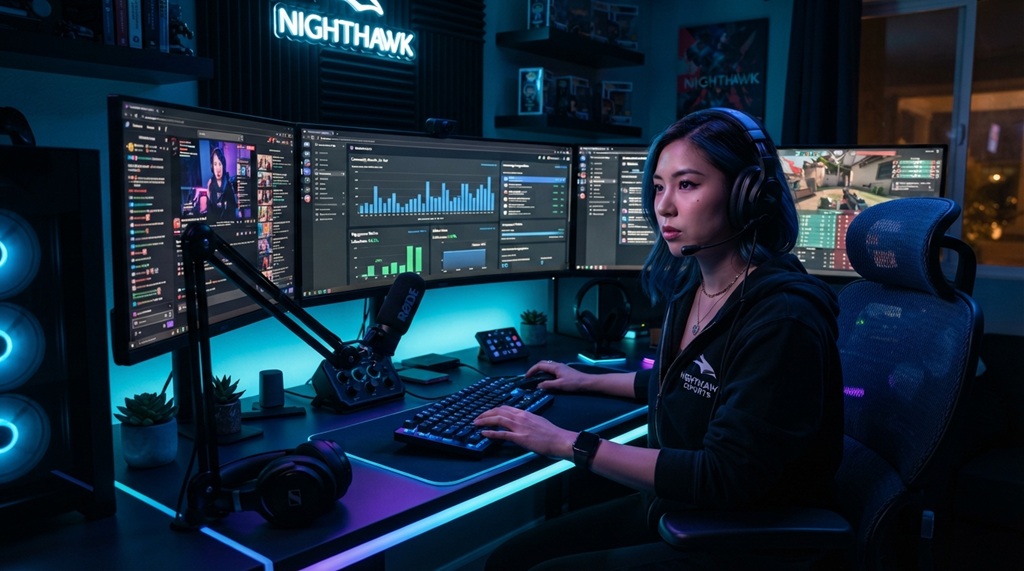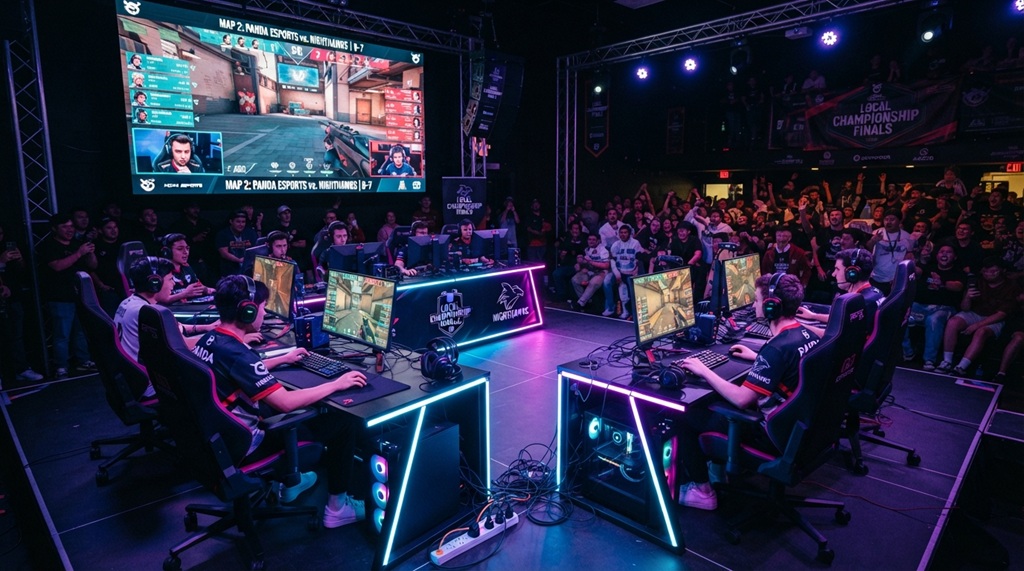
Hosting a gaming tournament comes down to five things. Choose the right game and format. Set clear rules. Pick the right platform. Promote it to the right people. Run it smoothly on the day. Get those five right, and even a small Discord server can host an event that feels professional and fun. Too many first-time organizers jump straight to “let’s do a bracket.” They skip the details that make players want to show up and come back next time.
This guide walks through the whole process. You’ll find steps for a 16-player LAN night and steps for a 200-person online event. Use the parts that fit your community’s size and budget.
Choose the Right Game and Format for Your Community

Pick a game your community already loves to play. Match the format to how much time your players can realistically commit.
Match the Game to Your Audience
Look at what people already play in your voice channels or clan matches. Casual communities do better with fast-paced games. Think party games or titles with short rounds, like a battle royale or fighting game. Long matches drain energy fast in a casual group.
Competitive communities often center on one title, like a MOBA or shooter. These groups usually have the skill level and interest to support a serious bracket.r
Pick a Format That Fits Your Timeline
- Single elimination – fastest option. Best for large groups or tight schedules. Players are out after one loss.
- Double elimination – gives players a second chance in a losers’ bracket. Takes longer, but feels fairer.
- Round robin – everyone plays everyone. Great for small groups of 8-12 players who want more playtime.
- Swiss format – pairs players with similar records each round. Works well for larger groups without the time cost of round robin.
For most community tournaments under 32 players, single or double elimination works best. Both formats balance fairness with a reasonable event length.
Establish Concrete Tournament Rules Before Launch
Publishing a comprehensive, crystal-clear rulebook well before registration opens is the single most effective way to protect your event’s integrity and preserve a positive player experience. Rather than scrambling to handle disputes on the fly, outline your core competitive standards upfront—including specific game versions, map pools, character limits, tiebreakers, and explicit protocols for technical mishaps like lag or disconnects. Clearly designate who holds final arbitration authority and specify required evidence, such as match screenshots or replay files, for resolving complaints. Industry experts emphasize that the vast majority of tournament friction stems from unwritten assumptions rather than intentional misconduct; having a centralized, easily accessible document eliminates ambiguity from day one. By ensuring fair and transparent competition, you protect your brand’s reputation and keep players returning and if you plan to introduce custom game modes or balance updates, balance game metas through gaming communities will keep your tournament ecosystem competitive, engaging, and fun.
Pick the Right Platform and Tools
Match your platform to your group size. Small tournaments run fine on a spreadsheet and a voice channel. Once you pass 16-20 players, dedicated bracket software starts to pay off.
Tools like Challonge, Toornament, and Battlefy build your bracket for you. They handle seeding and update scores live. You won’t need to redraw the bracket by hand every round.
For online events, pair your bracket tool with a chat hub. Most communities already use Discord for this. Set up separate channels for announcements, check-ins, and disputes. Players should always know where to go for updates.
For LAN or in-person events, test your network, streaming gear, and any spectator setup ahead of time. Don’t leave it for the morning of the event.
A Detail Most Guides Skip: Build In a Buffer Round
Smooth tournaments share one habit: they build a buffer into the schedule. Add 10-15 minutes after every round, not just “as needed.” Matches almost always run long. Players need bathroom or snack breaks. Technical issues eat up time too.
If you schedule rounds back-to-back with no cushion, you’ll spend the whole day apologizing for delays. Publish the buffer time in your schedule up front. That way, players see it as planned, not as you falling behind.
Promote the Tournament to the Right Audience
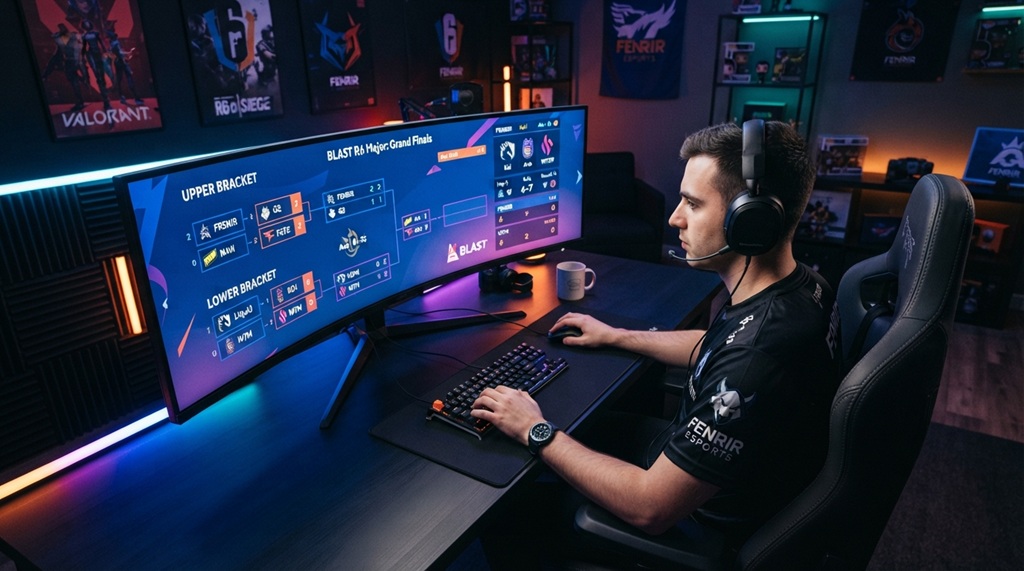
Start promotion early, and aim it at your own community first. Announce the tournament two to three weeks ahead. This gives people time to clear their schedule, especially for a weekend event.
Post the announcement everywhere your community already hangs out. Cover Discord, community Twitter/X, in-game clan chat, and any relevant Reddit or forum spaces. Include the game, format, date, prize, and a clear registration link every time. Don’t make people hunt for details.
Set up a reminder schedule too. Post one reminder a week out, another three days out, and a final one the morning of the event. A single announcement usually isn’t enough registration tends to trickle in too slowly to plan around.
Prepare Prizes That Fit Your Budget
Prizes don’t need to be expensive to work. Recognition and bragging rights motivate players just as much as cash in most community events.
On a tight budget, try in-game currency, a custom Discord role, or a spot on a “Hall of Champions” leaderboard. Merchandise works well too. These options can matter just as much as cash prizes in a smaller community.
If you do offer cash or physical prizes, lock in the payout structure before registration opens. Decide, for example, whether it’s winner-take-all or split among the top three. State it clearly in your rules document. For sponsored prizes, reach out to local game stores or peripheral brands. Many will donate small prizes in exchange for a shoutout.
Run the Event Smoothly on Tournament Day
Stay ahead of the schedule instead of reacting to problems as they pop up. Start check-in at least 30 minutes before the first match. This tells you who actually showed up, so you can adjust the bracket for no-shows before things begin.
Assign one moderator or referee for every 8-16 players in competitive events with real stakes. One person can’t watch every match and settle every dispute alone. Keep the bracket updated live so players always know their next match and opponent. Announce results publicly as they come in to keep the energy up.
Don’t let the event fizzle out at the end. Announce winners publicly. Thank participants by name if the group is small enough. If you streamed or recorded the event, share highlights afterward. This closing moment often sticks in people’s memory the most and it’s what gets them talking about the next one.
Frequently Asked Questions
How many players do I need for a community gaming tournament?
There’s no strict minimum, but 8 players is usually the smallest number that makes a bracket worthwhile. Below that, try a round robin or a casual best-of series instead.
What’s the best format for a first-time tournament organizer?
Single elimination is the easiest format to run and explain. It needs the least bracket management and keeps the schedule predictable, even though players are out after one loss.
Do I need paid software to run a tournament?
Not for small events. A shared spreadsheet, a Discord channel, and clear communication can handle a tournament for up to about 16 players. Free tiers of Challonge or Toornament cover most community-sized brackets.
How do I handle a player who disconnects mid-match?
Cover this in your rules document before the event starts. Most communities allow a short reconnection window, around 5-10 minutes, before calling a forfeit. Writing this rule down ahead of time prevents arguments in the moment.
How far in advance should I announce a tournament?
Two to three weeks works well for most community events. This gives people time to plan around work or school. For larger events with sponsors or physical prizes, give yourself four weeks or more to secure prizes and build hype.
Conclusion
A great community gaming tournament doesn’t need the biggest prize pool or the fanciest software. It needs clear rules, a format that fits your group, promotion that reaches the right people, and a smooth, well-communicated event day. Nail those basics. Add a buffer round to your schedule. Close the event with a real celebration of the winners. Do that, and your community will still be talking about it long after the final match ends.