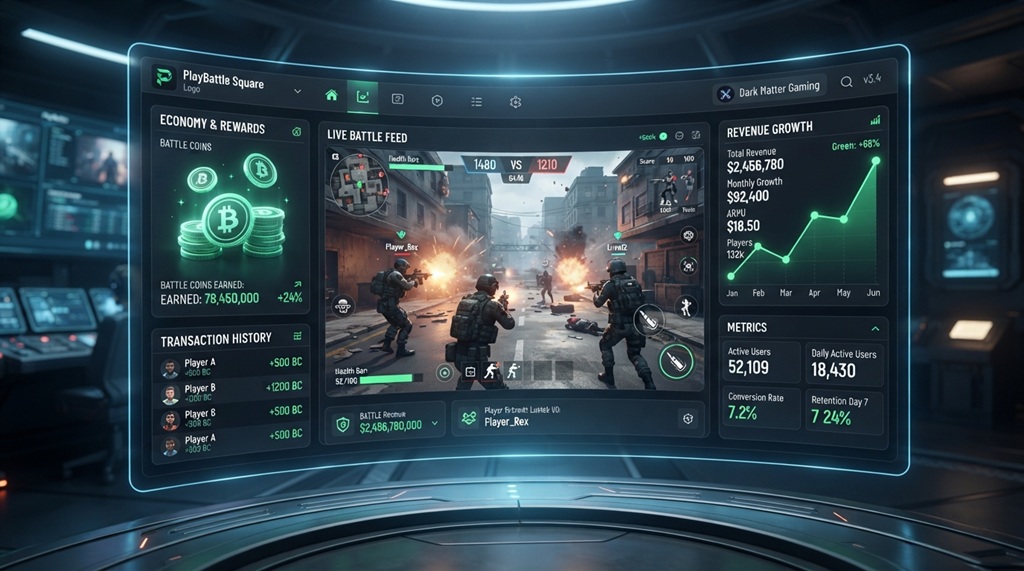
You monetize PlayBattle Square by combining consistent content creation, competitive play, and community engagement into a presence that sponsors, viewers, and platform reward systems actually notice. There’s no single “flip the switch” button — it’s a layered approach where each piece (your gameplay, your content, your visibility in events) reinforces the others. Gamers who treat it like a real project, not a side hustle they check once a month, tend to see results the fastest.
This guide walks through every realistic path to earning from your time on PlayBattle Square, whether you’re a casual player looking for extra value from your matches or someone aiming to build a semi-professional gaming presence. We’ll cover content strategy, tournament participation, sponsorship positioning, and the mistakes that quietly kill monetization efforts before they start.
If you’re only interested in one or two of these paths, feel free to jump to the section that matches your situation — each one is written to stand alone.
Understand What “Monetization” Actually Means Here

Monetization on PlayBattle Square isn’t a single built-in payout system — it’s the result of using the platform as a launchpad for income streams that live partly on-site and partly off it. Understanding this distinction early saves you from chasing a feature that doesn’t exist and helps you focus on strategies that do work.
On-Platform Value
This includes things like XP progression, badges, event prizes, and recognition from community engagement. These don’t always convert directly into cash, but they build the visibility and credibility that make off-platform monetization possible. A player who ranks well in tournaments or shows up consistently in community events has social proof that’s far more persuasive to sponsors than someone with none.
Off-Platform Value
This is where most of the real income happens: streaming your PlayBattle Square sessions, writing guides, building an audience on YouTube or Twitch around your matches, and using your platform reputation to land sponsorships or affiliate deals. Think of PlayBattle Square as the stage — the monetization happens in how you broadcast, document, and package what happens on that stage.
Turn Your Gameplay Into Content
The most direct path to earning from PlayBattle Square is creating content around your matches. It is the core approach used by top gaming creators across every platform.
Focusing on content creation decouples your income from any single tournament win or platform payout. Instead, you are building a long-term asset—an engaged audience—that generates value over time.
Before diving into specific monetization streams, make sure your broader strategy aligns with your goals. A great place to start is our guide on draft a blogs.io game business plan to lay down a solid foundation for your gaming venture.
Start With Highlight Clips, Not Full Streams
New creators often jump straight to full livestreams, which demand consistent viewership to feel worthwhile. Instead, start by clipping your best plays, close matches, or funny moments and posting them to short-form platforms like YouTube Shorts, TikTok, or Instagram Reels. Short clips have a lower barrier to virality and let you test what kind of content resonates before committing to a full streaming schedule.
Build a Guide or Tips Series
If you’ve developed strong strategies, positioning habits, or loadout knowledge, package that into written or video guides. Search traffic for “how to” and “tips” content tends to be steady and long-lasting compared to highlight clips, which spike and fade quickly. A well-optimized guide can keep pulling in views — and ad revenue — for months after you publish it.
Go Live When You Have an Audience Worth Streaming To
Full livestreaming pays off once you already have a modest, engaged following. Streaming without an audience is mostly practice — valuable for improving your on-camera presence, but not a monetization strategy on its own yet. Treat your first few months of streaming as audience-building, not income-generating.
Compete in Tournaments and Community Events
Tournaments and structured community events on PlayBattle Square offer badges, prizes, and recognition for participation and strong performance. These events matter for monetization in two ways: direct prize value, and the credibility boost that makes sponsorship conversations easier later.
Registering early, coordinating with a consistent team, and following fair-play guidelines all improve your standing in these events — and a visible tournament track record is one of the fastest ways to signal to sponsors and viewers that you’re a serious player worth following. Even placing in the middle of the pack repeatedly can be more valuable long-term than one lucky top finish, because it shows consistency.
A tip most guides skip
Document your tournament runs as content, win or lose. A well-edited “how we almost won” video often performs better than a plain victory clip, because it shows personality and process — two things sponsors and audiences respond to more than a scoreboard.
Build Toward Sponsorships and Brand Deals

Sponsorships become realistic once you have a defined audience, even a small one, because brands are paying for attention, not just skill. Gaming peripheral companies, energy drink brands, and smaller software tools are often the most approachable first sponsors for creators without a huge following yet.
What Sponsors Actually Look For
Most brands care less about raw follower counts and more about engagement rate, niche relevance, and consistency. A creator with 2,000 highly engaged followers who post reliably three times a week is often more attractive to a mid-size sponsor than someone with 20,000 followers who posts sporadically.
How to Position Yourself
Keep a simple media kit — even a one-page document with your stats, content examples, and audience demographics — ready to send when opportunities come up. Reach out to smaller, niche-relevant brands directly instead of waiting to be discovered; cold outreach with a clear, specific pitch (not a generic “check out my channel” message) converts far better than passive hoping.
Use Affiliate Links and Referral Programs
Affiliate marketing lets you earn a commission by directing your audience toward gaming gear, software, or services you genuinely use and recommend. This works especially well alongside guide content, since readers actively looking for advice are often also in a buying mindset.
Look for affiliate programs from hardware brands (headsets, controllers, capture cards), software tools relevant to gamers (VPNs, recording software), and even gaming marketplaces. Disclose these relationships clearly — not just because transparency builds trust, but because most regions legally require it, and audiences respond better to creators who are upfront about it anyway.
Avoid the Mistakes That Slow Monetization Down
Most creators don’t fail at monetizing their gaming presence because they lack skill — they fail because of avoidable structural mistakes that waste months of effort.
Spreading Across Too Many Platforms Too Early
Trying to post consistently on five platforms at once usually means doing all of them poorly. Pick one primary platform, get consistent there, then expand once you have a repeatable content process.
Chasing Views Over Building Community
Viral clips are exciting, but they rarely convert into loyal audiences on their own. Prioritize the conversations, comments, and repeat viewers — that engaged core is what sponsors and platforms both value more than raw numbers.
Ignoring Account and Data Security
A compromised account can undo months of monetization progress overnight. Use two-factor authentication, unique passwords, and cautious behavior around third-party tools or “boosting” services that ask for your login credentials.
Frequently Asked Questions
Does PlayBattle Square pay players directly for gameplay?
Not in the way a salary or per-match payout would work. Value comes from tournament prizes, badges, and recognition, which then support off-platform monetization like content creation and sponsorships rather than a direct built-in payout system.
How long does it take to start earning money from gaming content?
Most creators see their first meaningful income (affiliate commissions, small sponsorships, or ad revenue) somewhere between three and twelve months of consistent posting, though this varies widely based on niche and effort. Treat the first few months as audience-building rather than income-generating.
Do I need expensive equipment to start monetizing my gameplay?
No — a decent smartphone camera or basic screen-recording software is enough to start. Audiences respond more to content quality, personality, and consistency than to production value in the early stages.
Is it better to focus on tournaments or content creation first?
They work best together rather than as either/or choices, since tournament results give you content material and credibility while content creation builds the audience that makes tournament wins more valuable. If you have to pick one to start, choose whichever plays to your natural strength — competitive drive or storytelling.
Can casual players monetize without going pro?
Yes — guide writing, affiliate content, and small sponsorships don’t require competitive-tier skill, just consistency and a clear niche. Many successful gaming creators built sustainable income streams around teaching, entertaining, or reviewing rather than competing at the highest level.
Conclusion
Monetizing PlayBattle Square comes down to treating your time on the platform as raw material for a broader presence — through content, tournament visibility, sponsorships, and affiliate partnerships — rather than expecting a single built-in payout system to do the work for you. Start with one method that fits your strengths, stay consistent for a few months before judging results, and layer in additional income streams as your audience and credibility grow. The players who succeed here are rarely the most talented — they’re the ones who show up consistently and treat their gaming presence like something worth building.