Building a game blog business plan starts with defining your niche, setting revenue goals, and mapping out how you’ll create content, grow traffic, and monetize it. It’s not about writing a 40 page corporate document it’s about having a clear roadmap so your blog grows on purpose instead of by accident.
Most gaming blogs fail not because the writer lacked passion, but because they never planned past “I’ll just post reviews and see what happens.” A business plan forces you to answer the hard questions early: Who are you writing for? How will you make money? What makes your blog different from the thousands of others covering the same games?
This guide walks you through every piece of that plan, from niche selection to monetization, so you can launch a game blog that’s built to last rather than fizzle out after month three.
Define Your Niche and Target Audience

Your niche determines everything else in your business plan, so start here before touching a single line of content. “Gaming blog” is not a niche it’s an entire industry, and trying to cover all of it means competing against massive outlets like IGN and PC Gamer for the same broad keywords.
Pick a Specific Slice of Gaming
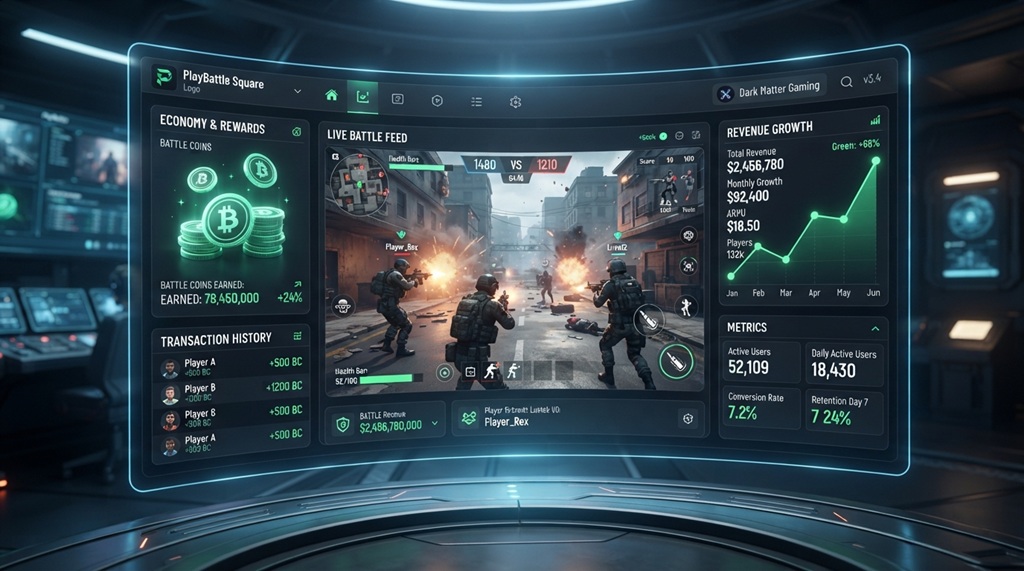
Rather than trying to cover the entire gaming landscape, hone in on a distinct sub-genre like retro console collecting, indie horror breakdowns, or competitive speedrunning to capture low-competition search terms that mainstream outlets overlook. This tight focus makes your blog’s value proposition instantly clear to new visitors, making it far easier to cross-link strategic content; for example, embedding a deep-dive tactical resource PlayBattleSquare match strategy guide within a broader discussion on multiplayer mechanics turns casual searchers into returning readers.
Get Specific About Your Reader
Write down who you’re actually talking to: their age range, platform preference (PC, console, mobile), spending habits, and what problem they come to you to solve whether that’s finding hidden gems, optimizing builds, or deciding what to buy next. A blog aimed at “budget-conscious Nintendo Switch parents” will convert better than one aimed at “gamers” in general, because every headline and product recommendation can speak directly to that person.
Set Clear Business Goals and a Realistic Timeline
A game blog business plan needs measurable goals, not vague hopes of “growing big.” Set specific targets for traffic, email subscribers, and revenue at the 3-month, 6-month, and 12-month marks so you can track whether the plan is actually working.
Separate Vanity Goals From Revenue Goals
Pageviews feel good, but they don’t pay bills on their own. Alongside traffic targets, set goals tied directly to income: number of affiliate clicks, email list size, or first sponsored post signed. This keeps your plan honest about what’s actually moving the business forward.
Expect a Slow Start
According to industry experts on content marketing, most niche blogs take six months to a year of consistent publishing before search traffic becomes meaningful. Building that expectation into your plan upfront prevents the common mistake of quitting at month two, right before momentum usually starts to build.
Choose Your Content Pillars and Format Mix
Content pillars are the 3-5 recurring topic categories your blog will consistently cover, and they should map directly back to what your target audience searches for. For a retro gaming blog, pillars might be game reviews, hardware restoration guides, buying guides, and community interviews.
Balance Evergreen and Timely Content
Evergreen posts (like “Best Emulators for Retro Games”) bring in search traffic for years, while timely posts (like reactions to a new release or patch) bring in short bursts of interest and social shares. A strong content plan mixes both, using timely posts to attract attention and evergreen posts to keep it.
Diversify Beyond Written Reviews
Written game reviews are the default format, but guides, tier lists, comparison posts, and “best of” roundups tend to attract more search traffic because they match how people actually phrase their queries. Consider which formats fit your niche’s search behavior rather than defaulting to reviews for every single post.
Plan Your Monetization Strategy Early
Decide how your game blog will make money before you need the income, not after this shapes your content decisions from day one, including what games you cover and how you write about them. Waiting until traffic arrives to figure out monetization often means retrofitting a strategy onto content that wasn’t built to convert.
Common Revenue Streams for Game Blogs
- Affiliate marketing through platforms like Amazon Associates or gaming-specific affiliate programs for hardware, games, and accessories
- Display advertising through networks once your traffic reaches their minimum thresholds
- Sponsored content and reviews from indie developers or gaming brands looking for exposure
- Digital products such as strategy guides, cheat sheets, or Discord community memberships
- YouTube or Twitch cross-promotion that feeds traffic back to the blog and vice versa
The Overlooked Angle: Build for Developer Relationships, Not Just Ad Revenue
Most game blog advice focuses entirely on ad networks and affiliate links, but one of the fastest paths to sustainable income is becoming a trusted early-coverage source for indie developers. Indie studios are often desperate for honest, timely coverage and are far more accessible than AAA publishers a blog that consistently covers under-the-radar indie titles well can turn into a pipeline of sponsored previews, early access codes, and long-term partnerships that big outlets never get offered, simply because the developers remember who covered them when nobody else would.
Map Out Your Content Production Workflow

A sustainable game blog needs a repeatable system for planning, writing, and publishing content without one, burnout and inconsistent posting are almost guaranteed. This is the operational backbone of your business plan, even though it’s the part most new bloggers skip.
Build a Simple Editorial Calendar
Plan content at least four weeks ahead, mixing evergreen guides with timely posts tied to release dates and gaming news cycles. Knowing what you’re writing next removes the daily decision fatigue that causes many blogs to go quiet for weeks at a time.
Set a Publishing Cadence You Can Actually Sustain
Consistency matters more than frequency one well-researched post per week, published reliably, outperforms three rushed posts followed by a month of silence. Choose a schedule based on your realistic available time, not what you think you “should” be doing.
Outline Your Marketing and Growth Plan
Your business plan needs a distribution strategy, because publishing content alone won’t generate traffic you need a plan for how people will actually find it. SEO, social media, and community engagement each play a different role in getting your blog in front of readers.
Prioritize SEO From Day One
Target long-tail, specific keywords (like “best budget headset for Valorant under $50”) rather than broad, competitive ones (like “best gaming headset”), since long-tail terms are realistic to rank for as a new site. Build internal links between related posts so search engines and readers can navigate your content easily.
Engage in Gaming Communities Directly
Reddit communities, Discord servers, and gaming forums are where your target readers already spend time, and genuine participation (not just link-dropping) builds recognition before people ever visit your blog. Share insights, answer questions, and only mention your content when it’s genuinely relevant to the discussion.
Track Metrics and Adjust the Plan Over Time
A business plan isn’t static it should be revisited monthly using real data to see what’s working and what needs to change. Tracking the right metrics tells you whether to double down on a content type or pivot away from it.
Key Metrics to Watch
Track organic search traffic, average time on page, email signup rate, and affiliate click-through rate rather than obsessing over total pageviews alone. These numbers tell you whether your content is actually serving readers well enough to convert them into subscribers or customers.
Revisit Your Niche and Pillars Quarterly
As you publish more, you’ll learn which topics your audience responds to most use that data to double down on what’s working rather than sticking rigidly to your original plan. A business plan should guide your direction, not lock you into decisions made before you had any real audience feedback.
Frequently Asked Questions
Do I need a formal business plan document to start a game blog?
No, but you do need to answer the core questions a business plan covers: niche, audience, content strategy, and monetization. A one or two-page working document is enough to start; it just needs to actually guide your decisions.
How much money do I need to start a game blog?
A basic game blog can launch for under $100, covering hosting, a domain name, and a WordPress theme. Costs rise later if you invest in premium plugins, stock assets, or outsourced writing, but none of that is required at the start.
How long does it take for a game blog to become profitable?
Most niche blogs take six months to a year of consistent publishing before generating meaningful income, according to industry experts on content monetization. Blogs that focus on a specific niche and diversify revenue streams early tend to reach profitability faster than broad, generalist gaming sites.
Should I focus on one game or cover gaming broadly?
Focusing on one game, genre, or gaming niche is generally better for a new blog because it’s easier to rank in search results and build a loyal, specific audience. You can always broaden your coverage later once you’ve established authority in your starting niche.
What’s the biggest mistake new game bloggers make in their planning?
The most common mistake is treating content creation and monetization as separate, sequential steps instead of planning them together from the start. Bloggers who wait until they have traffic to think about revenue often end up restructuring their entire content strategy later, which wastes months of work.
Conclusion
A solid game blog business plan comes down to six moving pieces: a focused niche, clear goals, defined content pillars, an early monetization strategy, a sustainable production workflow, and a real distribution plan. None of these need to be perfect on day one they need to exist, so every post you publish is working toward something bigger than just “putting content out there.”
Start simple, track what actually works, and revisit your plan every few months as real audience data comes in. The gaming blogs that last aren’t the ones with the fanciest plans they’re the ones written by people who treated their blog like a business from the very first post.