Pro gamers don’t win because of luck. They win because they practice with a plan, not just for hours on end. If you want to practice like pro gamers, you need structured sessions, honest self-review, and smart recovery not endless grinding.
Most players think more playtime equals more skill. That’s false. A pro who trains two focused hours often beats a casual player who grinds eight hours without direction. This article breaks down exactly how top players structure their practice, so you can copy the system and see real results.
We’ll cover warm-ups, VOD review, mechanical drills, mental training, and match analysis. Each section gives you something you can apply today.
Why Most Players Plateau Without a Practice Plan
Players plateau because they repeat the same habits without measuring progress. They queue up, play a few matches, and log off with no clear goal for the session.
Pro players avoid this trap by setting a specific focus before they even open the game. Maybe it’s improving aim accuracy, or maybe it’s fixing rotations in a specific map. Without that focus, practice becomes autopilot. You reinforce bad habits instead of fixing them.
Set One Goal Per Session
Pick a single skill to improve each time you practice. Trying to fix five things at once splits your attention and slows real progress.
For example, spend one session only on crosshair placement. Spend the next on decision-making in mid-round situations. This narrow focus builds skill faster than mixed, unstructured play.
The Warm-Up Routine Pro Gamers Never Skip

Pro gamers warm up before ranked or competitive matches, just like athletes stretch before a game. Cold hands and a cold brain lead to slow reactions and bad calls.
A solid warm-up takes 15 to 20 minutes. It should move from easy to hard, and from mechanical to mental.
Mechanical Warm-Up
Start with aim trainers or bot matches to wake up your hand-eye coordination. Tools like Aim Lab or Kovaak’s are popular because they isolate specific skills, such as tracking or flicking.
Spend 10 minutes here before touching ranked queue. This primes your muscle memory without the pressure of a real match.
Mental Warm-Up
After the mechanical part, play one or two low-stakes matches. Use this time to reset your focus and get comfortable with in-game decision-making again.
Avoid jumping straight into ranked play cold. Your first few matches of any session are usually your worst, so don’t let those be the ones that count.
Master VOD Analysis to Eliminate Costly Strategic Mistakes
Video on Demand (VOD) review the practice of analyzing your recorded gameplay to catch subtle errors hidden during the heat of battle remains the ultimate differentiator between casual competitors and elite esports athletes. While most players rely solely on raw playtime, top-tier competitors treat post-match analysis as mandatory training; industry data confirms that deliberate self-review accelerates mechanical and strategic skill development significantly faster than continuous grinding. By transforming subconscious missteps into actionable lessons, structured analysis sharpens your decision-making so you can correct tactical flaws, refine execution, and consistently rank up fast in competitive games.
How to Review Your Own Gameplay
Record your matches using free tools like OBS Studio. After a session, pick one or two games and rewatch them at normal speed first, then slow down key moments.
Look for patterns, not single mistakes. If you die in the same spot three times across different games, that’s a habit to fix not bad luck.
What to Track While Reviewing
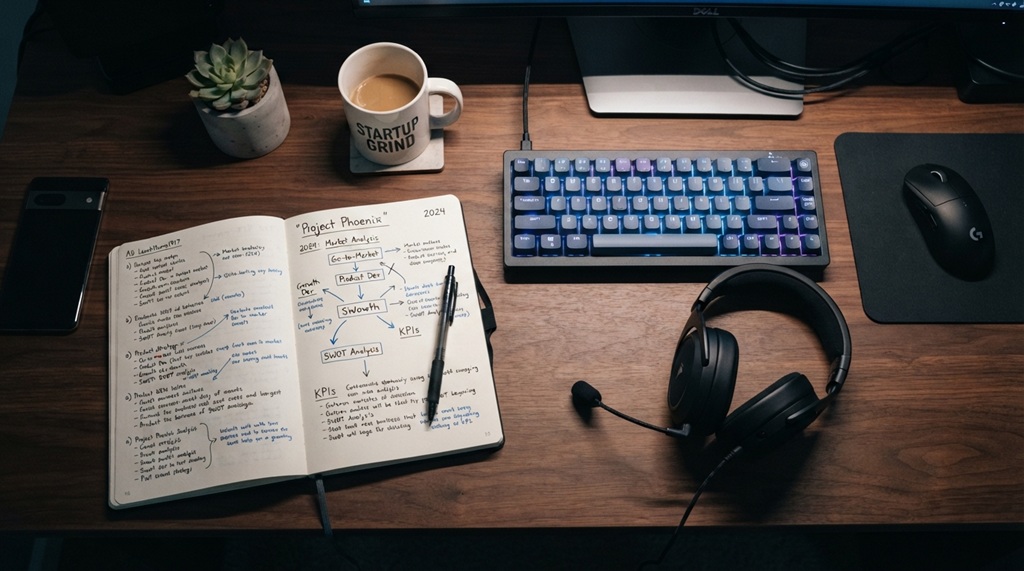
Keep a simple note of recurring issues: bad positioning, missed cooldowns, poor map awareness, or slow reactions. Write these down instead of just thinking about them.
Over a few weeks, this list becomes your personal training roadmap. You’ll know exactly what to drill next.
Building a Structured Daily Practice Schedule
A structured schedule beats random play sessions because it forces consistency. Pros treat practice like a job, with a routine they follow most days.
A simple daily structure might look like this:
- 15–20 minutes: mechanical warm-up
- 30–45 minutes: focused drills on one weakness
- 1–2 hours: ranked or scrim matches
- 20–30 minutes: VOD review and notes
This keeps sessions purposeful instead of endless. You don’t need six hours a day you need focused hours with clear goals.
Rest Days Matter Too
Pro teams schedule rest days to avoid burnout and mental fatigue. Skipping rest often leads to tilt, which lowers performance and reinforces bad decision-making under stress.
Treat rest as part of training, not a break from it. A tired brain makes worse calls than a rested one, even with better mechanics.
Mental Training: The Skill Most Players Ignore
Mental discipline separates good players from great ones, especially in close matches. Mechanical skill gets you far, but tilt and poor focus can undo hours of practice in minutes.
Pro gamers train their mindset the same way they train their aim deliberately and consistently.
Staying Calm Under Pressure
Practice recognizing tilt before it takes over. If you notice frustration building, take a short break instead of queuing into another match immediately.
Simple breathing exercises between rounds can help reset focus. This sounds small, but it prevents one bad round from snowballing into a lost match.
Reviewing Losses Without Self-Blame
Treat losses as data, not personal failure. Ask what specifically went wrong, rather than concluding you’re simply bad at the game.
This shift in mindset keeps motivation steady over long training periods, which matters more than any single session.
Learning from Pro Matches and High-Level Players
Watching pro matches teaches you patterns and decisions you won’t discover through solo practice alone. This is a genuinely useful habit that many guides skip entirely: don’t just watch for entertainment watch with a notebook.
What to Watch For
Pay attention to positioning, timing of key decisions, and how pros react to losing an early advantage. These patterns repeat across matches and can be studied directly.
Try muting the caster and predicting the next move before it happens. This active viewing method trains your game sense far more than passive watching does.
Applying What You Learn
Pick one specific habit from a pro player and test it in your own matches. Don’t try to copy their entire playstyle at once that rarely works and can hurt your natural instincts.
Small, tested changes stick better than a complete overhaul of how you play.
Frequently Asked Questions
How many hours a day do pro gamers actually practice?
Most pro gamers practice 4 to 8 hours daily, but the exact number varies by game and team. Quality of practice matters more than raw hours, and even top players include rest and review time in that total.
Can I improve fast without a coach?
Yes, self-review and structured practice can produce real improvement without a coach. A coach speeds up the process by catching blind spots faster, but VOD review and focused drills work well on their own.
What’s the biggest mistake casual players make when trying to improve?
The biggest mistake is playing without a specific goal for each session. Casual players often grind ranked matches for hours without ever reviewing what went wrong, which limits how fast they improve.
How long does it take to see real improvement?
Most players notice measurable improvement within 3 to 4 weeks of consistent, structured practice. Progress depends on how focused your sessions are, not just how many hours you log.
Do aim trainers actually help in real matches?
Yes, aim trainers help build muscle memory that transfers to in-game mechanics, especially for tracking and flick shots. They work best as a warm-up tool, not a replacement for in-game practice.
Conclusion
Learning to practice like pro gamers comes down to structure, honest self-review, and mental discipline not just endless playtime. Build a routine with a clear warm-up, focused drills, VOD review, and rest days, and you’ll see faster improvement than players who simply grind without a plan.
Start small. Pick one habit from this guide, like reviewing your own gameplay or setting a single goal per session, and apply it this week. Consistent, focused practice beats random hours every time.