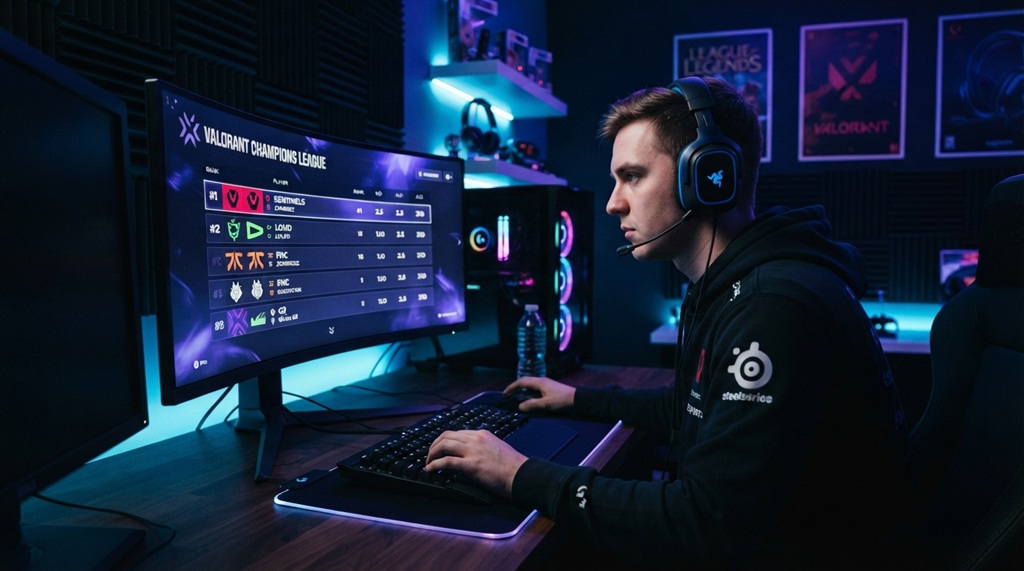
Esports competitive gaming is an organized video game competition where players or teams face off for prize money, sponsorships, and audience support, usually broadcast live to fans online. You can profit from it not just by becoming a pro player, but through streaming, coaching, content creation, betting analysis, event work, and building a personal brand around a game you already love.
The good news is that “profiting from esports” doesn’t mean you need to be the best player in the world. The esports economy has grown into a full ecosystem — teams, broadcasters, sponsors, coaches, analysts, and creators all get paid, and most of them never touched a pro stage. This article breaks down what esports actually is, how the money moves, and the realistic paths gamers use to turn their time in-game into income.
Whether you’re a casual player wondering if this is a viable side hustle or someone chasing a full competitive career, the sections below walk through each option so you can pick the one that fits your skill, time, and risk tolerance.
What Is Esports Competitive Gaming, Exactly?

Esports is competitive video gaming played at an organized level, with structured tournaments, rankings, and often significant prize pools. It covers a wide range of titles — from shooters like Valorant and Counter-Strike, to MOBAs like League of Legends and Dota 2, to sports sims like FIFA and Rocket League.
Unlike casual gaming, esports involves formal rulesets, matchmaking or bracket systems, referees or admins in top-tier events, and audiences watching live through platforms like Twitch or YouTube. Competitions range from small local LAN tournaments to massive international championships watched by millions.Competitive gaming monetization relies heavily on choosing games with active tournament ecosystems and massive player bases. Console platforms like PlayStation continue to host high-stakes competitive leagues. If you’re looking for popular titles with strong competitive foundations, check out our guide on the top EA sports games on PS5 Most popular titles to play now to see which sports franchises drive the most engagement.
The Business Side of Esports
Behind every match is a business model that funds it: sponsorships from tech and beverage brands, advertising and media rights, ticket sales for live events, in-game item sales tied to tournaments, and merchandise. According to industry experts, this multi-stream revenue model is what allows prize pools to reach into the millions and lets non-players earn a living around the scene too.
Understanding this matters because it shows you where the actual money sits — and it’s not only in winning matches.
How the Esports Economy Actually Pays People

The esports economy pays people through several distinct channels, not a single prize pool. Recognizing these channels is the first step to figuring out where you fit.
Tournament Prize Money
This is the most visible income source but also the hardest to access consistently. Only a small percentage of competitive players ever qualify for paid tournaments, and even fewer win enough to cover their costs. Prize money works best as a bonus on top of other income, not a primary plan for most players.
Team Salaries and Contracts
Professional esports organizations sign players to salaried contracts, similar to traditional sports. These deals often include a base salary, a share of winnings, and sometimes sponsorship bonuses. Landing a contract usually requires a strong competitive track record in ranked play or amateur tournaments first.
Streaming and Content Revenue
Platforms like Twitch and YouTube pay creators through subscriptions, ad revenue, and viewer donations. This path doesn’t require being a top-ranked player — entertainment value, consistency, and community building matter just as much as raw skill.
Sponsorships and Brand Deals
Gaming peripheral companies, energy drink brands, and software companies pay players and creators to promote products. Sponsorship deals typically follow an existing audience, so this usually comes after some traction on streaming or social platforms, not before.
7 Realistic Ways to Profit From Esports
Below are the main paths gamers actually use to earn money in and around esports, ranked roughly from lowest to highest barrier to entry.
1. Streaming and Building a Channel
Streaming lets you earn through ads, subscriptions, and donations while playing the games you already enjoy. Success here depends more on consistency and personality than on being the highest-ranked player in your region.
2. Content Creation Beyond Live Streaming
Short-form clips, tutorials, and highlight edits on platforms like YouTube and TikTok can generate income independently of live viewership. Many creators earn more from repurposed clips than from the original stream, since short-form content reaches viewers who never watch live.
3. Coaching and Skill Training
Experienced players can coach newer players one-on-one or in group sessions through platforms built for this purpose. This works well for players who understand a game deeply but aren’t interested in the grind of competitive play themselves.
4. Competitive Play and Tournament Entry
Entering ranked ladders and amateur tournaments is how most pro careers start, and many of these have real entry-level prize pools. Treat this as a long-term skill-building path rather than a quick income source, since consistent tournament earnings take years to build for most players.
5. Esports Betting and Fantasy Analysis
Some gamers profit by analyzing matches and odds for betting platforms or fantasy esports leagues, either as bettors or as paid analysts producing predictions and breakdowns. This path carries real financial risk if approached as gambling rather than analysis, so it’s worth treating cautiously and only within your region’s legal framework.
6. Event and Production Work
Tournaments need casters, referees, production crew, and community managers — roles that pay steadily and don’t require competitive-level gameplay skill. This is one of the more overlooked entry points, since organizations are often short on reliable production and moderation talent compared to the number of people trying to become players.
7. Merchandise and Personal Brand Products
Creators with an established audience can sell branded merchandise, digital products like coaching guides, or Discord memberships. This works best once you already have a loyal audience from streaming or content creation, since merch sales depend on brand recognition, not raw reach.
Skills That Actually Increase Your Earning Potential
Building the right skills increases your odds across every path above, not just competitive play. Game mechanics matter, but so do communication, consistency, and business basics.
In-Game Skills
Mechanical skill, game sense, and consistency under pressure remain the foundation for competitive and coaching paths. These are built through deliberate practice and reviewing your own gameplay, not just playing more hours.
Off-Game Skills
Editing, on-camera presence, basic marketing, and community management often matter more than raw skill for streaming and content paths. Many talented players never build an audience simply because they never developed these adjacent skills.
Common Mistakes That Stop Gamers From Profiting
Most gamers who fail to profit from esports make the same handful of avoidable mistakes. Spotting these early saves years of wasted effort.
Chasing pro play exclusively
Instead of exploring streaming, coaching, or production roles that have lower competition and steadier income.
Inconsistent content or streaming schedules
Which prevents platforms’ algorithms and audiences from building habitual viewership.
Ignoring the business side
Like taxes, contracts, and sponsorship terms, which can cost real money even when the gaming side goes well.
Underestimating time investment
Expecting income within weeks when most successful streamers and players build their audience or ranking over one to three years.
Frequently Asked Questions
Do you need to be a pro player to make money in esports?
No. Streaming, content creation, coaching, event production, and community roles all generate income without requiring a professional playing career. Many people in the esports industry have never competed at a high level themselves.
How much can a beginner realistically earn from esports?
Beginner earnings vary widely and are often modest at first, ranging from small tournament winnings to early streaming donations. According to industry experts, most sustainable income takes one to three years of consistent effort to build, similar to other content-creation careers.
What game should I focus on to maximize esports income?
Focus on a game with an active competitive scene and a platform ecosystem you enjoy engaging with daily, since consistency matters more than game choice. Titles like Valorant, League of Legends, Counter-Strike, and Fortnite currently have some of the largest audiences and sponsorship interest.
Is esports betting a reliable way to profit?
Esports betting carries real financial risk and shouldn’t be treated as guaranteed income, even for experienced analysts. If you choose to engage with it, do so only through legal platforms in your region and treat it as entertainment or analysis work, not a primary income plan.
How long does it take to start earning from streaming?
Most streamers who build sustainable income do so gradually, often taking over a year of consistent streaming before donations and subscriptions become meaningful. Growth typically comes from a mix of consistent scheduling, community engagement, and cross-posting clips to other platforms.
Conclusion
Esports competitive gaming offers more paths to income than most people realize — competitive play, streaming, coaching, content creation, event work, and brand building all sit within the same ecosystem. The players who profit long-term are usually the ones who treat it like a real skill-building process, pick a lane that fits their strengths, and stay consistent long enough for an audience or ranking to grow. Start with the path that matches where you already spend your time in-game, and build outward from there.