Growing an indoor and outdoor game trading hub comes down to three things: building a trustworthy community, making trades easy to complete, and consistently bringing in new members through the right channels. Whether you’re running a local board game swap, a backyard sports equipment exchange, or an online group for trading everything from puzzles to trampolines, the same core principles apply — trust, visibility, and structure.
Most people who start a game trading hub hit a wall after the first few months. The initial excitement brings in a handful of eager traders, but growth stalls because there’s no system for keeping people engaged or attracting new ones. This guide walks through exactly how to avoid that plateau and turn a small trading group into an active, self-sustaining hub.
Whether you’re starting from scratch or trying to revive a stalled group, the steps below apply to both physical meetups and online communities.
Define the Scope of Your Trading Hub
Before you can grow a game trading hub, you need to decide exactly what it trades and who it serves. A hub that tries to cover everything — board games, video games, outdoor sports gear, and party games — often ends up appealing to no one in particular.
Choose Your Category Focus
Pick one or two core categories to start, such as board games and outdoor games, rather than trying to be a catch-all marketplace. A focused niche makes it easier for members to know exactly what they’ll find, which increases the chances they’ll actually show up or log in regularly.
Decide on Format: Local, Online, or Hybrid
A local hub works well for bulky outdoor items like trampolines, badminton sets, or cornhole boards that are expensive to ship. An online hub is better suited for lightweight, easily mailed items like card games and small board games. Many successful hubs run a hybrid model — an online group for coordination and a monthly in-person meetup for the actual exchange.
Build a Trust System Before Focusing on Growth
Trust is the single biggest factor that determines whether a game trading hub survives past its first few months. People won’t trade valuable items — a $60 board game or a nearly-new outdoor play set — with strangers unless there’s some way to verify reliability. If you want to check this out How to Grow an Indoor & Outdoor Game Trading Hub
Create a Simple Rating or Review System
Even a basic system where members leave short feedback after each trade (“smooth handoff,” “item as described”) builds enough accountability to reduce scams and no-shows. This doesn’t need custom software; a shared spreadsheet or pinned post works fine for smaller groups.
Set Clear Rules for Condition and Description
Require members to post honest condition notes (new, lightly used, missing pieces, etc.) and at least one photo before listing an item. According to industry experts in online marketplace management, clear item descriptions are one of the most effective ways to reduce disputes and returns in peer-to-peer trading communities.
Establish a Dispute Process
Even with good rules, disagreements happen. Having a named moderator or a simple three-step process (both sides explain, moderator reviews photos/messages, moderator makes a call) keeps small issues from turning into people quietly leaving the group.
Make Trading Easy and Low-Friction
A trading hub grows when the actual process of finding and completing a trade is fast and simple. If members have to dig through messy threads or guess who’s still active, they’ll drift away.
Use a Clear Listing Format
Ask members to follow a consistent format when posting an item: name, category, condition, what they want in exchange, and location or shipping availability. Consistency makes the hub easier to browse, which matters a lot once you have more than a few dozen active listings.
Set Up Categories or Tags
Organize listings by type — indoor games, outdoor games, kids’ games, adult games — so people can filter down to what interests them instead of scrolling everything. On most community platforms (Discord, Facebook Groups, forums), this can be done with channels, topics, or tags.
Offer a “Wanted” Board Alongside Listings
Most trading hubs only let people post what they have. Adding a dedicated space for what people are looking for speeds up matches significantly, since a trader with an extra cornhole set can immediately see that someone nearby wants exactly that. This is a small addition that a surprising number of trading communities skip, even though it often produces faster matches than the standard “browse and wait” listing model.
Grow Membership Through the Right Channels
A trading hub only becomes valuable once it reaches a certain size — too few members and there’s nothing to trade for. Growth needs to come from places where people already care about games, not generic broad marketing.
Tap Into Existing Communities
Local parenting groups, neighborhood apps like Next door, board game cafes, and school parent-teacher groups are strong sources of members for outdoor and family game trading. For more niche or collector-focused games, subreddits, Discord servers, and hobbyist forums tend to bring in more engaged traders.
Partner With Local Businesses
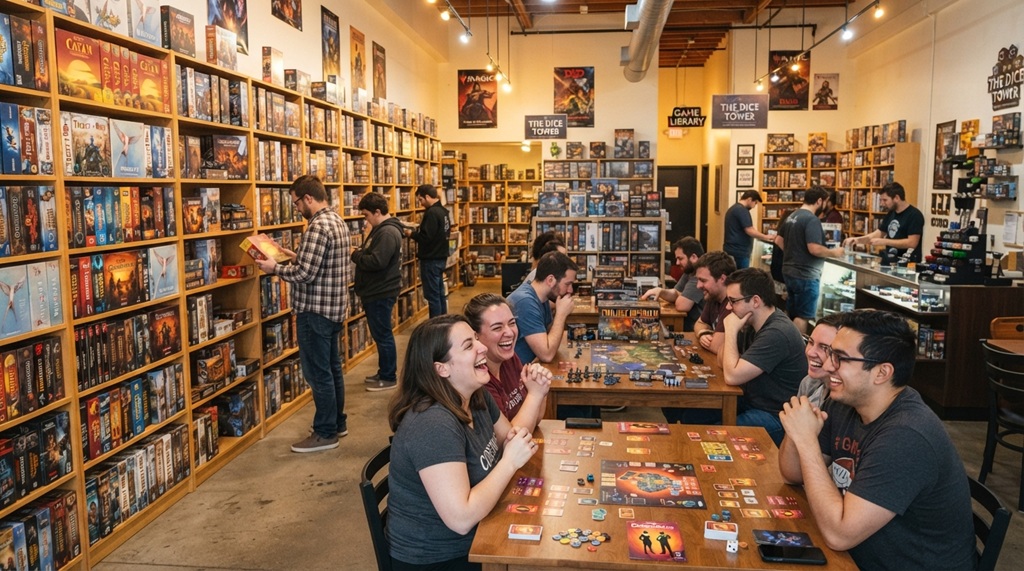
Game stores, toy libraries, and community centers often welcome a partnership where they promote your hub in exchange for you driving foot traffic or hosting a trade day on-site. This kind of local partnership also gives the hub more legitimacy than a purely online group.
Encourage Referrals With Simple Incentives
A small perk — like early access to new listings or a shoutout — for members who bring in a friend can meaningfully speed up growth, since people trust recommendations from someone they already trade with more than an ad or a random post.
Keep Members Active With Regular Engagement
Growth isn’t only about adding new members — it’s also about keeping the ones you have engaged so the hub doesn’t go quiet. A hub with 500 inactive members is worth less than one with 80 people who show up regularly.
Host Recurring Trade Events
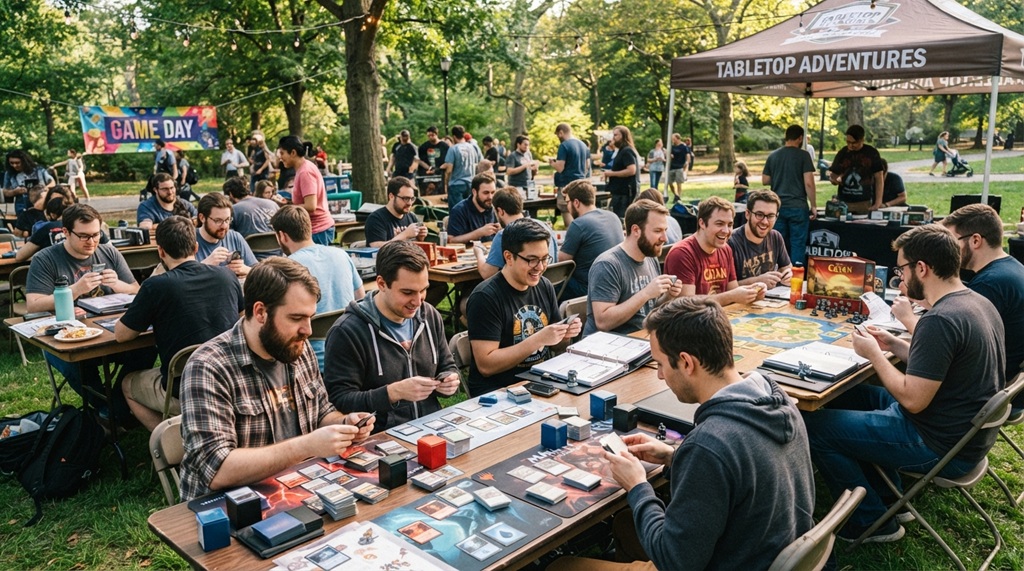
A monthly or seasonal swap meet, whether in a park for outdoor gear or a community hall for board games, gives members a reason to check back in and creates urgency around clearing out items they no longer use. Seasonal timing works especially well for outdoor games — spring and early summer tend to bring a natural spike in interest.
Highlight Recent Trades
Sharing a quick recap or photo of a completed trade (with permission) shows the community is active and gives new members confidence that trades actually happen. This is especially useful in the early months when the group still feels quiet.
Ask for Feedback Regularly
A short, occasional poll asking what categories members want more of, or what’s frustrating about the current process, keeps the hub responsive to what people actually need instead of what the organizer assumes they need.
Handle Logistics for Outdoor and Bulky Game Items
Outdoor games bring logistics challenges that indoor games don’t — size, weight, and weather all affect how trades happen. Planning for this upfront prevents a lot of member frustration later.
Set Meetup Guidelines for Large Items
For anything too big to ship easily — trampolines, above-ground pool games, large yard game sets — recommend public, well-lit meeting spots and daytime hours. This is standard advice for any peer-to-peer local exchange and applies directly to outdoor game trading.
Address Weather and Storage Concerns
Outdoor game items are more likely to have weather damage, so encourage sellers to note any sun fading, rust, or water damage clearly in listings. Members should also be reminded that items stored outdoors year-round tend to have shorter lifespans, which is useful context for both buyers and sellers when negotiating a trade.
Frequently Asked Questions
How do I start a game trading hub with no members?
Start by inviting people you already know who play games — neighbors, coworkers, or local parent groups — and post in a few relevant online communities where the target audience already spends time. Even five to ten active early members are enough to create the first round of listings and trades, which then attracts more people organically.
What platform is best for running a game trading hub?
Facebook Groups work well for local, family-oriented trading because most people already have accounts and it’s easy to post photos. Discord is better for more active, detail-oriented communities like collectors or hobbyists who want organized channels and quick chat-based negotiation.
How do I prevent scams in a game trading hub?
Require clear item descriptions with photos, use a simple rating system after each trade, and encourage in-person handoffs in public places for higher-value items. For shipped items, recommending trackable shipping and confirming receipt before closing out a trade also helps reduce disputes.
Should a game trading hub charge membership fees?
Most successful hubs stay free to join, since fees tend to slow early growth when the community still needs to build size and trust. If costs come up later — like hosting event space — a small optional donation model tends to work better than a mandatory fee.
How big does a trading hub need to be before it feels active?
There’s no fixed number, but most hubs start feeling genuinely active once there are enough regular listings that something new appears every few days. For a local group, that’s often somewhere around 50-100 engaged members; online hubs with a broader reach may need more, depending on how niche the category is.
Conclusion
Growing an indoor and outdoor game trading hub isn’t about chasing member count as fast as possible — it’s about building trust, keeping the trading process simple, and giving people consistent reasons to come back. Start with a clear focus, put trust and dispute systems in place early, and grow through communities that already care about games rather than broad advertising. Once the process feels effortless for members, growth tends to take care of itself through word of mouth and repeat trades.