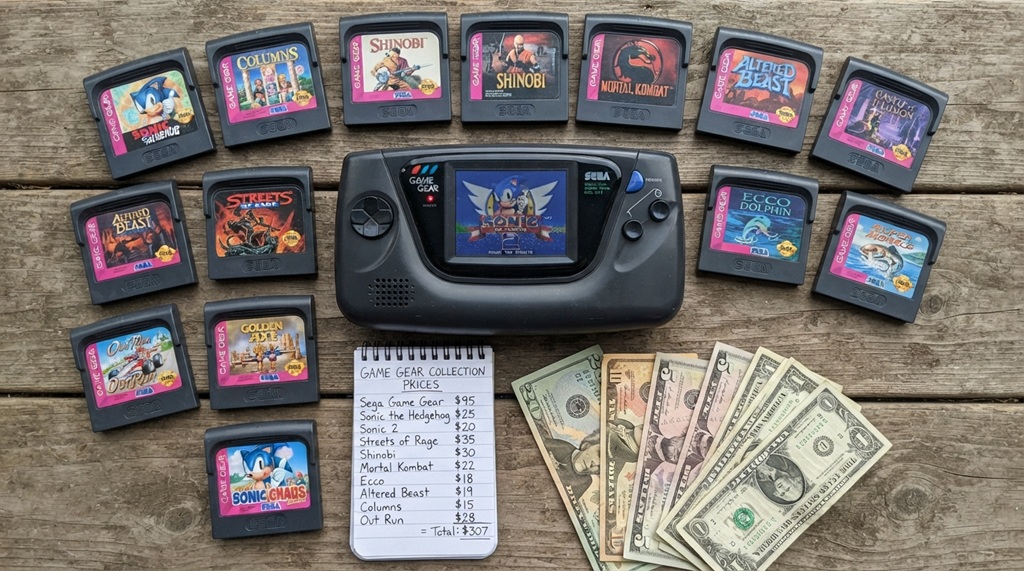
Pricing used game gear the right way gets you more cash, faster trades, and fewer lowball offers. Most sellers either overprice their stuff and it sits forever, or underprice it and lose money. This guide shows you exactly how to price consoles, controllers, and games so they sell quickly at a fair rate.
You don’t need special tools or insider knowledge. You just need a simple system. Check recent sold prices, know your condition grade, and pick the right platform for your goal.
Whether you’re clearing out old titles or offloading a console before the next generation drops, this guide walks you through it step by step.
Why Pricing Used Game Gear Correctly Matters

Getting the price right the first time saves you weeks of relisting and back-and-forth messages. Overpriced items sit unsold. Underpriced items sell fast, but you leave money on the table.
Buyers today compare prices across multiple apps before they commit. If your listing looks too high compared to similar ones, they scroll past it. If it looks suspiciously low, some buyers get wary and assume something is wrong with the item.
A well-priced listing also builds trust. It signals that you know the market and you’re not trying to scam anyone. That trust often leads to faster replies, quicker payments, and repeat buyers if you sell gear regularly.
Check What Similar Items Actually Sold For
Start by looking at completed sales, not active listings. Active listings show what sellers hope to get. Sold listings show what buyers actually paid.
Where to Check Sold Prices
- eBay’s “Sold Items” filter – Search your item, then filter by sold listings under the Advanced search or Filter menu. This gives you real transaction data.
- PriceCharting.com – A dedicated site that tracks game and console prices across loose, complete-in-box, and new conditions.
- Facebook Marketplace and local sold posts – Search sold groups in your area to see what local buyers actually paid, since shipping costs affect eBay prices.
Benchmarking Value with Real Market Data
Skipping market research is the most critical mistake novice sellers make; pricing without recent sold data is pure guesswork that either deters buyers with an inflated price tag or surrenders hard-earned value through an underpriced sale. Establishing an accurate baseline grounded in real-time transactions gives you the leverage to close rapid sales while ensuring your trade valuations remain competitive. If you want to leverage these accurate valuations to scale your local exchange network, explore our comprehensive strategy on how to grow an indoor & outdoor game trading hub to cultivate a high-volume, reliable community for buying, selling, and swapping gear.
Grade the Condition Honestly
Condition changes the price more than almost anything else. A scratched disc or a controller with drift can cut your asking price in half.
Common Condition Categories
- New/sealed – Unopened, original packaging intact. Commands the highest price.
- Like new – Used briefly, no visible wear, all original parts included.
- Good/used – Normal wear, fully functional, may be missing minor extras like manuals.
- Fair/for parts – Heavy wear, missing pieces, or partial functionality. Priced low or sold as a bundle.
Test Everything Before You List
Power on the console. Check for disc read errors. Test every controller stick and button. Buyers will ask, and if something breaks after the sale, an honest condition listing protects you from disputes and refund requests.
Take clear photos of any scratches, stickers, or yellowing on plastic. This builds buyer confidence and reduces the “it’s not as described” complaints that lead to forced refunds on most platforms.
Decide Between Quick Cash and Trade-In Value
Your goal changes your pricing strategy. Quick cash sales and trade-ins work differently, and mixing up the approach costs you money.
Selling for Quick Cash
If you need money fast, price slightly below the average sold price you found in Step 1. A price 5-10% under market average moves items within days instead of weeks. This works well on Facebook Marketplace, OfferUp, and local gaming forums where buyers want a deal and a fast pickup.
Trading In at a Store
Trade-in credit at stores like GameStop or similar retailers is almost always lower than a private cash sale. Retailers need to resell the item at a profit, so they offer less. According to industry experts, trade-in values can run 30-50% below private resale prices, though this varies by title, demand, and store promotions.
Trade-ins make sense when you want store credit toward a new purchase and don’t want the hassle of meeting strangers or shipping items. Cash sales make sense when you want the highest dollar amount and don’t mind a little extra effort.
Bundle Smartly to Increase Perceived Value
Bundling changes how buyers see a price, even when the math stays the same. A console alone might sit unsold. The same console with two games and a controller often sells within a day because buyers feel like they’re getting a complete package.
What to Bundle Together
- A console with its original controller and cables
- Multiple games from the same series or genre
- Accessories like headsets or charging docks with the matching console
Price the Bundle Below the Sum of Parts
List the bundle for slightly less than what the individual items would total if sold separately. This gap is what convinces buyers to choose the bundle over hunting for cheaper individual listings elsewhere. A $10-20 discount on a bundle often speeds up the sale by days compared to listing each piece on its own.
Pick the Right Platform for Your Item
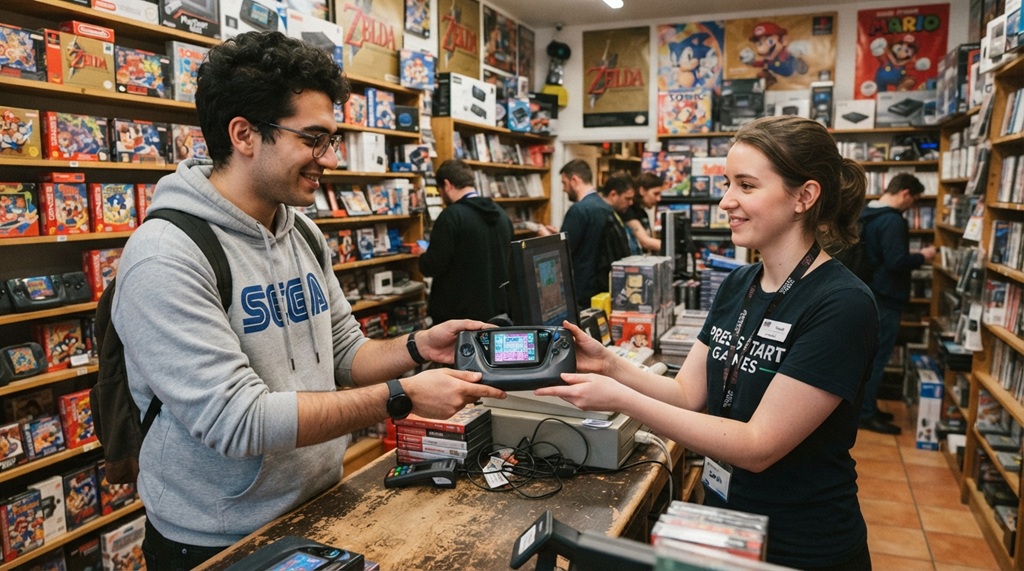
Different platforms attract different buyers, and that affects both speed and price. Matching the item to the right platform gets you a better outcome than posting everywhere at once.
| Platform | Best For | Trade-off |
|---|---|---|
| eBay | Rare or collectible items, national reach | Fees cut into profit, shipping required |
| Facebook Marketplace | Local, fast cash sales | Lower prices, more lowball offers |
| Reddit gaming trade communities | Niche or specific titles, informed buyers | Smaller audience, slower response |
| Game store trade-in | Instant credit, no listing effort | Lowest payout of all options |
A rare, sealed retro game usually does better on eBay, where collectors compete and drive the price up. A common controller or a duplicate copy of a popular title sells faster locally, where buyers just want a quick, no-shipping deal.
A Tip Most Guides Skip: Watch the Release Calendar
Prices for used game gear shift around new console launches and major game releases, and most guides don’t mention this. When a new console generation gets close, older console prices often drop as buyers hold onto cash for the upgrade. But controllers and accessories for a still-popular console can spike right before a big exclusive game release, since new players jump in and need extra gear.
Check the release calendar for major titles or hardware in your item’s category before you list. Timing a sale two or three weeks after a big release, once new players have joined the community, can get you a better price than listing during a quiet stretch.
Frequently Asked Questions
How do I price a used game with no case or manual?
Drop the price by roughly 15-25% below a complete-in-box listing for the same title. Loose discs still hold value, especially for popular titles, but buyers expect a discount for missing extras. Check sold listings filtered specifically for “disc only” to confirm the going rate.
Should I clean my game gear before listing it?
Yes, always clean it before taking photos or listing it. A wiped-down console and clean controller look more trustworthy in photos and can justify a slightly higher price than a dusty, unphotographed item.
Is it better to sell games individually or as a lot?
Sell rare or high-demand titles individually to get their full value. Sell common or lower-value titles as a bundle lot, since buyers rarely want to negotiate ten separate listings for cheap games.
How often do used game prices change?
Prices shift with new releases, console generation changes, and seasonal demand like holidays. Check sold prices again if more than a month has passed since your last check, since even small market shifts can move prices by 10% or more.
What’s the fastest way to sell for cash without lowball offers?
Price close to the actual average sold price instead of high with “room to negotiate.” Listings priced fairly from the start attract serious buyers instead of bargain hunters looking to chip away at an inflated price.
Conclusion
Pricing used game gear well comes down to research, honesty, and timing. Check real sold prices, grade your item’s condition accurately, and choose the selling method that matches your goal, whether that’s fast cash or trade-in credit. Bundle smartly, pick the right platform, and pay attention to the release calendar for an edge most sellers miss. Follow these steps, and your gear sells faster and for a fairer price.