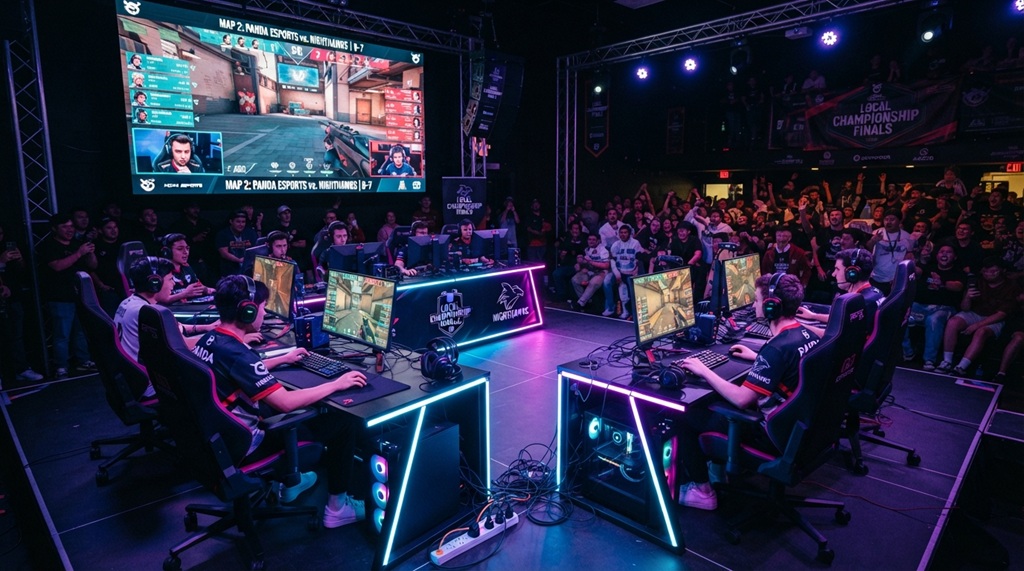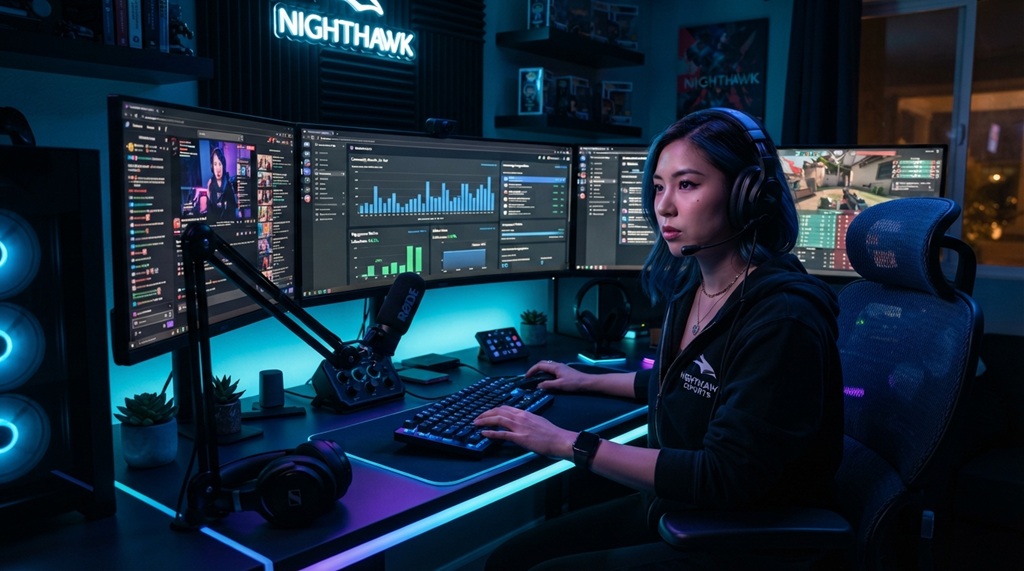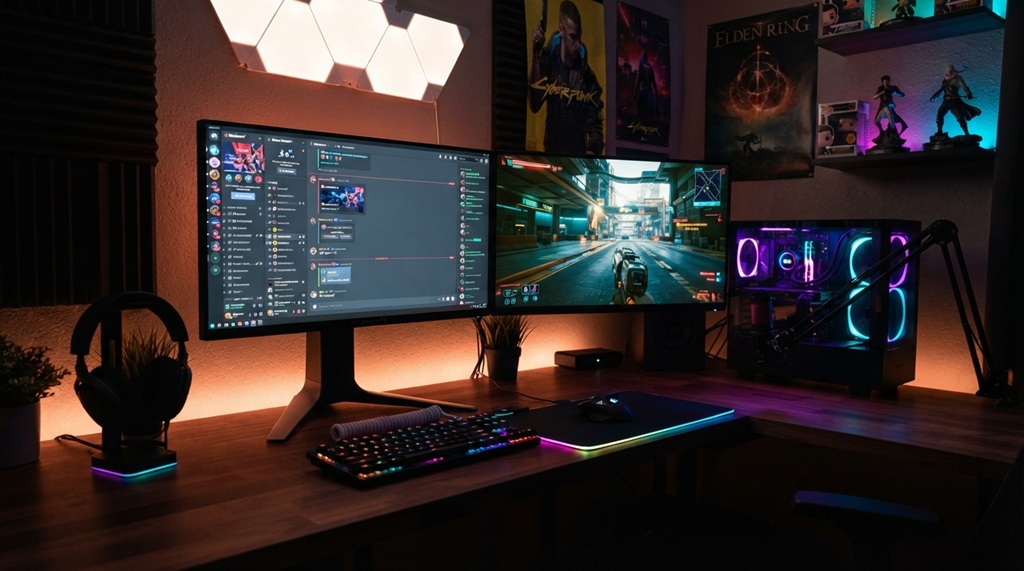
Are you passionate about a particular game, a specific genre, or simply the camaraderie that gaming fosters? Do you dream of a virtual space where like-minded players gather, share strategies, celebrate victories, and commiserate over defeats? Building a vibrant online gaming community isn’t just a pipe dream; it’s an achievable goal that can bring immense satisfaction and even unlock new opportunities.
In today’s interconnected world, where gaming is a global phenomenon, the demand for authentic and engaging online communities has never been higher. From massive esports fanbases to niche retro gaming groups, these digital hubs serve as the lifeblood for countless players. But how do you transform a nascent idea into a flourishing ecosystem? This comprehensive guide will walk you through the essential steps, from laying the foundational bricks to nurturing sustained growth and engagement. Get ready to embark on your quest to create a truly epic gaming community!
-
The Genesis: Defining Your Community’s Core
Before you even think about platforms or promotion, the most crucial step is to define your community’s identity. This is your guiding star, attracting the right players and shaping every decision you make.
-
Niche Down for Success: The Power of Specificity
The online gaming landscape is vast. Trying to appeal to “all gamers” is a recipe for getting lost in the noise. Instead, pinpoint your specific niche. Ask yourself:
- What game(s) will be the focus? (e.g., Elder Scrolls Online endgame content, Minecraft creative builds, competitive Valorant strategies, retro arcade classics, indie RPGs)
- What type of players are you targeting? (e.g., casual players, competitive esports enthusiasts, role-players, content creators, speedrunners, modders)
- What’s the primary purpose of your community? (e.g., social interaction, competitive play, knowledge sharing, content creation, collaborative projects)
LSI Keywords: gaming niche, target audience, competitive gaming, casual players, game genres, community focus.
By narrowing your focus, you attract individuals with a shared passion, making it easier to foster deeper connections and more meaningful interactions. A community dedicated to Crusader Kings III multiplayer campaigns will naturally attract different members and conversations than one focused on Stardew Valley farming tips.
-
Crafting Your Community’s Vision & Values
Once you have a niche, articulate your community’s vision and values. What kind of atmosphere do you want to cultivate?
- Inclusivity and Respect: How will you ensure a welcoming environment for all?
- Collaboration or Competition: Is the emphasis on teamwork or friendly rivalry?
- Creativity and Expression: Will members be encouraged to share fan art, game mods, or original content?
- Helpfulness and Support: Will players be able to ask for advice and offer assistance?
Defining these early on will inform your moderation policies, communication style, and the overall “vibe” of your community.
Laying the Foundation: Choosing Your Platform & Structure
The right platform is the bedrock of your online gaming community. Consider accessibility, features, and scalability when making your choice.
-
The Arena: Selecting the Ideal Platform
- Discord: An undisputed champion for gaming communities. Offers voice and text chat, customizable channels, roles, bots for moderation and entertainment, and excellent scalability. It’s fantastic for real-time interaction and building a strong sense of camaraderie.
- Forums/Subreddits: Great for in-depth discussions, guides, and structured information. Platforms like Reddit offer a built-in audience, while dedicated forum software gives you more control and branding. Good for knowledge sharing and archival.
- Social Media Groups (Facebook, X, etc.): Useful for announcements, casual interaction, and reaching a broader audience. However, they offer less control and can be prone to distraction. Best used as a supplementary tool rather than a primary hub.
- Dedicated Community Platforms (e.g., Guilded, Mighty Networks, Circle): Offer a more curated and branded experience with advanced features like courses, paid memberships, and event management. Might be a stronger option for more established or monetized communities.
- In-Game Clans/Guilds: Essential for many multiplayer games, these offer direct in-game interaction and a shared objective. Integrating these with an external platform like Discord is often ideal.
LSI Keywords: Discord server, gaming forums, social media for gamers, community platforms, in-game guilds, online community tools.

-
Structure for Success: Channels & Roles
Organize your chosen platform logically. On Discord, for instance:
- Welcome Channel: Introduce new members, outline rules, and provide essential links.
- General Chat: For casual conversations and community bonding.
- Game-Specific Channels: Dedicated spaces for discussions, looking-for-group (LFG) posts, and strategy sharing for specific titles.
- Announcement Channel: For official updates, events, and important news.
- Voice Channels: For real-time communication during gameplay or social gatherings.
- Roles: Assign roles to members (e.g., “Veteran Player,” “Moderator,” “Artist”) to recognize contributions and manage permissions.
Secondary Keywords: community structure, Discord channels, member roles, online group organization, communication strategy.
III. Ignition: Attracting Your First Members
Even the most well-designed community is nothing without its members. Here’s how to get the ball rolling and welcome your first wave of players.
Content is King: Provide Value from Day One
Before you start inviting people, have some valuable content ready. This could include:
- Introductory Guides: For your niche game(s).
- Discussion Prompts: To spark conversations.
- Community Rules: Clearly laid out.
- Resources: Links to useful tools, wikis, or fan sites.
LSI Keywords: valuable content, engaging discussions, community guidelines, gaming resources, content strategy.
Spreading the Word: Strategic Promotion
- Direct Invitations: Reach out to friends, fellow players you’ve met in-game, or streamers you follow who align with your community’s vision.
- Gaming Forums & Subreddits: Post in relevant communities (check their rules on self-promotion first!). Offer genuine value and don’t just drop a link. Participate in discussions.
- Social Media: Share your community’s existence on your personal and dedicated social media accounts. Use relevant hashtags.
- Streamer & Content Creator Collaborations: Partner with smaller streamers or content creators who play your niche game. Offer to host their community events or provide exclusive access to your members. This is a powerful way to tap into existing audiences.
- In-Game Recruitment: If your community is tied to a specific game, utilize in-game chat, guild finders, or recruitment channels.
Secondary Keywords: community promotion, attracting gamers, social media marketing, influencer collaborations, in-game recruitment.
Fueling the Fire: Engaging Your Community
Attracting members is just the beginning. The real challenge, and the true reward, lies in keeping them engaged and fostering a sense of belonging.
Consistent Interaction: Be Present and Responsive
- Active Participation: As the community leader, be consistently present. Respond to questions, participate in discussions, and acknowledge member contributions.
- Ask Questions & Solicit Feedback: Show that you value their input. Run polls, ask for game suggestions, and actively listen to their ideas for improving the community.
- Welcome New Members: A simple “welcome” can make a huge difference. Encourage existing members to do the same.
LSI Keywords: community engagement, active moderation, fostering belonging, member feedback, responsive leadership.
Events & Activities: Injecting Excitement
- Regular Game Nights: Organize scheduled play sessions for your community’s focus game(s).
- Tournaments & Competitions: Create friendly rivalries with prizes (even virtual ones!) to boost participation.
- Themed Events: Celebrate holidays, game anniversaries, or community milestones with special activities.
- Watch Parties: Stream gaming events, esports matches, or game reveals together.
- Content Creation Challenges: Encourage members to create fan art, gameplay videos, or guides related to the community’s theme.
- Q&A Sessions with Experts: If possible, invite knowledgeable players or even game developers for AMA (Ask Me Anything) sessions.
Secondary Keywords: gaming events, community contests, online tournaments, user-generated content, interactive activities, community building strategies.
Empowering Your Members: The Path to Self-Sufficiency
A truly thriving community isn’t solely reliant on its founder. Empowering members to take ownership is crucial.
- Community Moderation: Recruit trustworthy and active members as moderators to help manage discussions, enforce rules, and welcome newcomers.
- Content Contributors: Encourage members to share their own guides, art, streams, or gameplay clips. Highlight their contributions.
- Event Organizers: Delegate the planning and execution of smaller events to enthusiastic members.
- Mentorship Programs: Pair experienced players with newcomers to help them learn the ropes and feel more integrated.
LSI Keywords: community empowerment, volunteer moderation, user contributions, member leadership, community growth strategies.
Maintaining Momentum: Long-Term Growth & Sustainability
Building a community is an ongoing process. Here’s how to ensure its continued health and expansion.
-
Adapting and Evolving: Stay Relevant
- Monitor Trends: Keep an eye on new games, updates to your focus game(s), and evolving community preferences.
- Regular Content Updates: Continue to provide fresh, valuable content.
- Embrace Change: Be open to adapting your community’s focus or structure as it grows and its members’ interests evolve.
- Technology & Tools: Explore new bots, integrations, or platform features that can enhance the community experience.
Secondary Keywords: community evolution, staying relevant, gaming trends, community management, long-term engagement.
-
Managing Toxicity & Fostering a Positive Environment
Every community faces challenges. Establishing clear rules and consistent moderation is vital.
- Clear Rules & Guidelines: Make your community rules easily accessible and understandable.
- Consistent Moderation: Enforce rules fairly and consistently. Address disruptive behavior promptly and privately when possible.
- Conflict Resolution: Have a process for resolving disputes respectfully.
- Promote Positive Behavior: Actively recognize and reward positive contributions and respectful interactions.
LSI Keywords: community moderation, online safety, conflict resolution, positive gaming environment, anti-toxicity measures.
-
Monetization (Optional): Sustaining Your Endeavor
While not the primary goal for every community, monetization can help sustain your efforts and even expand your offerings.
- Patreon/Ko-fi: Allow members to provide direct financial support for exclusive content, early access, or special roles.
- Merchandise: Design and sell branded merchandise (t-shirts, mugs, etc.) if your community develops a strong identity.
- Affiliate Marketing: Recommend gaming gear, games, or subscriptions and earn a commission on sales (always disclose this transparently).
- Premium Memberships: Offer exclusive channels, advanced guides, or private coaching for a fee.
- Sponsored Content/Events: Partner with relevant gaming brands for sponsored content or events, ensuring it aligns with your community’s values.
Secondary Keywords: monetizing gaming community, community funding, affiliate partnerships, premium access, sponsored content, community sustainability.
- The Legal & Ethical Landscape: Playing by the Rules
Navigating the legal and ethical considerations is crucial for a healthy and long-lasting community.
- Copyright and Intellectual Property: Be mindful of copyright when sharing game assets, fan art, or streaming content. Ensure members are aware of fair use guidelines.
- Privacy and Data Protection: If you collect any member data, ensure you are compliant with relevant privacy regulations (e.g., GDPR). Be transparent about data usage.
- Terms of Service: Understand and adhere to the terms of service of the platforms you use (Discord, Reddit, etc.).
- Age Restrictions: If your community is for mature games, ensure you have appropriate age verification or disclaimers.
- Content Moderation and Liability: As the community owner, you may have some responsibility for the content shared within your space. Having clear rules and active moderation can mitigate risks.
LSI Keywords: gaming law, online privacy, intellectual property in gaming, community guidelines, digital safety.
Read More Also: Top 10 Interactive Trade Show Games
Conclusion: Your Epic Community Awaits!
Building a thriving online gaming community is a marathon, not a sprint. It requires dedication, consistent effort, and a genuine passion for connecting with fellow gamers. By defining your niche, choosing the right platforms, actively engaging your members, and adapting to their needs, you can cultivate a vibrant, supportive, and truly rewarding virtual space.
Remember, the heart of any great community lies in the connections forged between its members. Foster an environment of respect, excitement, and shared passion, and watch your online gaming community flourish into something truly special.
Ready to level up your social game? Join our growing community of passionate gamers today! Click here to [Join Our Discord Server / Visit Our Forums / Explore Our Community Hub] and start connecting with players who share your love for [Your Niche Game/Genre]! Don’t miss out on exclusive events, helpful discussions, and new gaming friendships – your next adventure starts now!