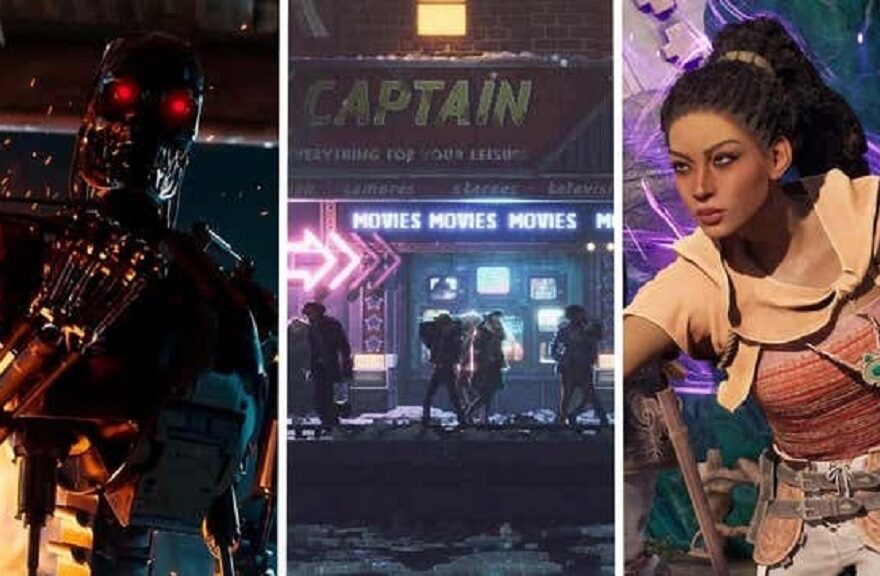
In the ever-evolving world of gaming, nothing stirs up the community quite like game delays and major game announcements. Whether it’s a long-anticipated AAA title being pushed back or a surprise reveal during a live event, these moments create waves across gaming forums, news outlets, and social media. But what do these delays and announcements actually mean for gamers, developers, and the industry at large?
In this in-depth article, we’ll dive into why games get delayed, what you should look out for in announcements, and how to stay updated with the latest news in a constantly shifting landscape. With insights into developer strategies, fan expectations, and marketing tactics, you’ll walk away with a better understanding of how to interpret and react to game delays and announcements.
The Rise of Game Delays: A Necessary Evil?
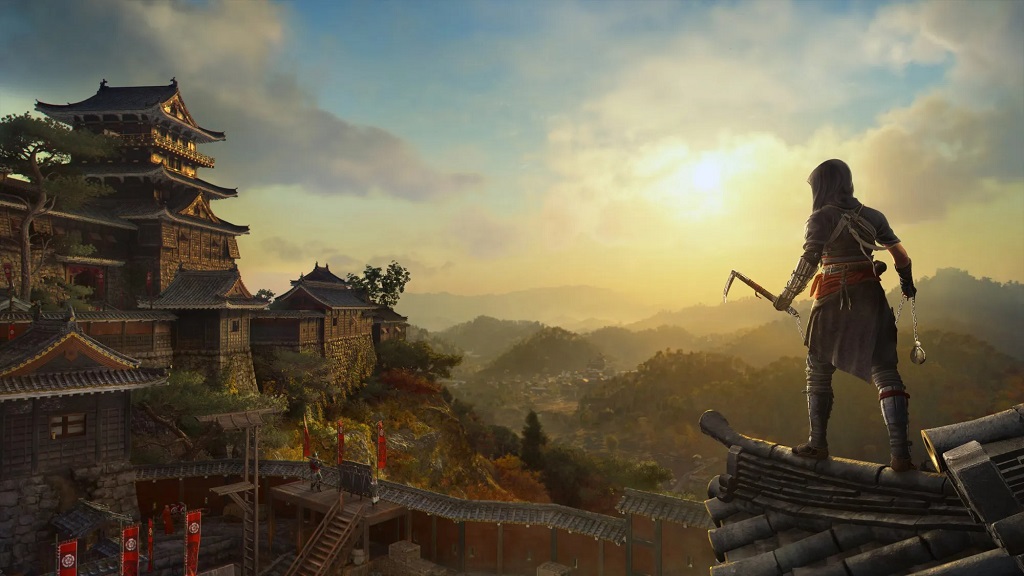
Let’s start with the most debated topic: game delays. While frustrating, they’ve become increasingly common in recent years.
Why Are Games Delayed?
Here are the most common reasons developers delay releases:
- Quality Assurance & Bug Fixes
Games today are massive in scale. With open-world mechanics, multiplayer features, and next-gen graphics, ensuring a smooth player experience takes time. Developers often delay releases to fix game-breaking bugs, optimize performance, and improve gameplay mechanics. - Scope Creep and Feature Expansion
During development, teams sometimes decide to add more features or redesign certain elements. This leads to extended timelines, especially for ambitious titles with large fan bases. It’s not uncommon for developers to expand on initial plans after receiving early feedback or internal testing results. - Crunch Culture Pushback
Developers are increasingly trying to avoid the toxic work environment known as “crunch”—working extreme overtime to meet deadlines. Game studios like CD Projekt Red and Naughty Dog have faced backlash for relying heavily on crunch in past projects. Delays now often reflect a shift toward sustainable development practices. - Market Timing
Sometimes, it’s about the competition. If a rival studio announces a big title for the same window, developers may postpone to avoid direct confrontation, especially during Q4 holiday releases.
Recent Examples of Delayed Games in 2025
- “Starfield: Nebula Chronicles” – Pushed from March to August 2025 for polishing open-world elements.
- “GTA VI” – Rumored delays due to AI integration testing and console optimization.
- “Elden Ring: Shadow of the Erdtree” DLC – Moved to Q4 to align with next-gen console patch rollouts.
Why Game Announcements Are So Strategic
On the flip side, game announcements are moments of massive excitement—and strategic precision.
Timing Is Everything
Game developers don’t just announce new titles on a whim. They plan these reveals to coincide with:
- Major gaming events like E3, Summer Game Fest, or Tokyo Game Show
- Console launches and hardware news
- Content creator partnerships for maximum online visibility
Releasing a teaser trailer or gameplay footage can generate hype, drive pre-orders, and engage the community—sometimes even years before release.
Types of Game Announcements
- Teaser Announcements – Short videos revealing the title or theme, meant to spark curiosity.
- Gameplay Reveals – Footage that shows mechanics, visuals, and user interface.
- Beta/Alpha Testing News – Invites to players for early testing, often used to gather feedback.
- Release Date Confirmations – Usually shared during the later development stages to manage expectations.
The Role of Marketing and Hype Cycles
Hype as a Double-Edged Sword
The buildup to a new game release can boost sales and fan engagement—but it can also backfire. If the game doesn’t meet expectations, review bombing, social backlash, and negative press can quickly derail a successful launch.
Recent examples:
- “Cyberpunk 2077”: Hype led to record-breaking pre-orders, but the game’s buggy launch hurt its reputation.
- “No Man’s Sky”: Initial disappointment turned into a redemption arc after years of updates, proving that long-term planning pays off.
Pre-Orders and Investor Influence
Announcements can also be tied to business goals:
- Boosting pre-order numbers
- Attracting investor interest
- Influencing stock prices (e.g., publicly traded companies like Ubisoft or EA)
Investors want to see pipelines full of exciting, potentially profitable titles. That’s why sometimes announcements come earlier than ideal, purely for financial optics.
How to Stay Updated and Avoid Disappointment
With so much information flying around, how can players keep up—and manage expectations?
Follow Trusted Sources
Stay informed through:
- Official developer channels (Twitter/X, YouTube, Discord)
- Gaming news outlets (IGN, GameSpot, Kotaku)
- Reddit communities and fan forums
- Industry insiders on social media
Look Beyond the Hype
Instead of getting swept up by cinematic trailers, focus on:
- Actual gameplay demos
- Hands-on reviews during beta tests
- Track record of the developer studio
- Community feedback from early access releases
What Delays and Announcements Mean for the Future of Gaming
We’re entering an era where game development is more transparent, community-driven, and technologically complex than ever before. Delays no longer mean doom—they often mean dedication to quality. Announcements, when done right, serve as collaborative starting points rather than final pitches.
With the rise of:
- AI-assisted game design
- Cross-platform releases
- Player-driven beta testing
Expect the cycle of announcement → feedback → delay → release to become even more normalized.
Tips for Gamers: How to Respond to Delays and Announcements
- Be patient – Good games take time. If a delay improves your experience, it’s worth the wait.
- Engage positively – Leave constructive feedback during early releases or beta phases.
- Support ethical development – Celebrate studios that avoid crunch and prioritize developer well-being.
- Plan purchases wisely – Avoid blind pre-orders unless a studio has proven consistent quality.
- Diversify your gaming – While you wait for major titles, explore indie games and backlogged releases.
Final Thoughts
Game delays and announcements are not just industry buzz—they’re the result of complex decisions balancing creativity, business, technology, and community expectations. As a gamer, being informed helps you set realistic expectations, make better purchase decisions, and appreciate the art of game development.
So next time a game gets delayed or a surprise trailer drops, look at the bigger picture. It might just lead to a better experience—for you and the entire gaming community.
Read More Also: Top Gaming Community Events
Call to Action
Stay ahead of the curve!
Subscribe to our newsletter for weekly updates on game delays, surprise announcements, and expert analysis from the heart of the gaming world. Don’t miss out—level up your knowledge and join the community of informed gamers today!