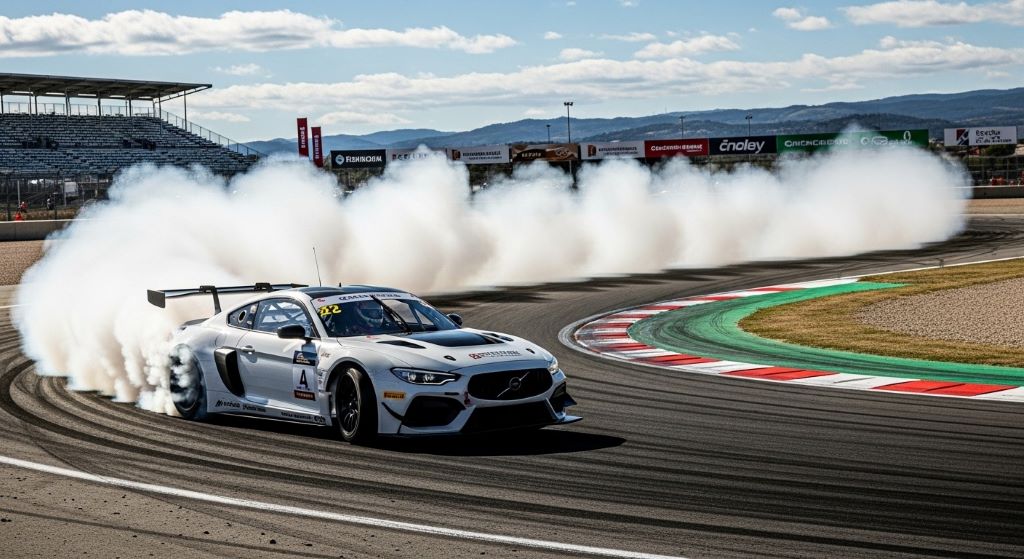
Curve Rush challenges players with increasingly difficult turns that test reflexes and strategic thinking. Sharp curves separate casual players from high scorers who understand the game’s mechanics. Mastering these challenging sections requires specific techniques, timing, and practice.
This comprehensive guide explores proven strategies for navigating sharp curves smoothly. Players will learn essential techniques that improve performance and boost scores dramatically.
Understanding Curve Rush Game Mechanics
Curve Rush operates on simple physics principles that govern your vehicle’s movement. The game calculates speed, momentum, and turning radius to determine success or failure. Understanding these mechanics helps players anticipate challenges before they appear.
Speed directly affects turning capability. Faster speeds reduce maneuverability, while slower speeds allow tighter turns. However, maintaining momentum remains crucial for achieving high scores and completing levels quickly.
The game features different curve types requiring varied approaches. Gentle curves permit higher speeds with minimal adjustment. Sharp hairpin turns demand significant speed reduction and precise timing. Therefore, recognizing curve types ahead improves preparation time.
Visual cues indicate upcoming curve difficulty. Track color changes, warning signs, and barrier positions signal sharp turns approaching. Additionally, experienced players learn to read the track layout pattern for better anticipation.
Mastering the Basic Turning Technique
Proper turning begins well before reaching the curve itself. Early preparation prevents last-second corrections that often result in crashes. Start adjusting your line as soon as you spot the curve ahead.
The racing line principle applies to Curve Rush just like real motorsports. Enter wide, apex at the curve’s inside point, and exit wide again. This racing line maximizes speed while minimizing sharp steering inputs.
Gentle, smooth inputs work better than sudden jerky movements. Gradually apply turning pressure rather than yanking the controls. Smooth inputs maintain vehicle stability and prevent overcorrection mistakes.
Practice the proper entry speed for different curve sharpness levels. Sharp curves require entering at roughly 60-70 percent of maximum speed. Moreover, moderately sharp curves allow 75-85 percent speed with proper technique.
Controlling Speed Before Sharp Curves
Speed management determines success or failure on challenging curves. Reduce speed before entering rather than during the turn itself. Braking while turning reduces control and increases crash risk significantly.
Learn to recognize the optimal braking point for each curve type. Sharp hairpins require braking earlier than gentler bends. Additionally, track surface conditions in some game versions affect braking distances.
Anticipatory braking prevents panic stops that disrupt rhythm. Smooth gradual deceleration maintains better control than sudden speed drops. Therefore, start braking gently and increase pressure as needed.
Some Curve Rush versions feature different vehicle types with varying braking characteristics. Heavier vehicles need longer braking distances, while lighter ones stop quickly. Understanding your vehicle’s specific handling improves timing accuracy.
Using the Drift Technique Effectively
Drifting serves as a crucial technique for navigating extremely sharp curves. Initiating a controlled drift allows tighter turning radius without losing excessive speed. However, mastering drift timing requires considerable practice and precision.
Start your drift slightly before reaching the curve’s apex point. Too early wastes the drift’s effectiveness, while too late results in crashes. The sweet spot varies by curve sharpness and approach speed.
Maintain throttle control during drifts to sustain momentum. Complete throttle release causes spin-outs, while full throttle creates uncontrollable slides. Moderate throttle input between 40-60 percent maintains optimal drift control.
Exit the drift smoothly as you pass the apex point. Gradually straighten your steering while increasing throttle to regain full speed. Abrupt drift exits cause fishtailing that wastes precious time.
According to gaming strategy experts at IGN, proper drifting technique in racing games requires understanding weight transfer and momentum conservation for optimal performance.
Perfecting Your Racing Line Through Curves
The racing line represents the fastest path through any curve section. This optimal line minimizes distance while maximizing sustainable speed. Visualizing and executing the perfect line dramatically improves lap times.
Wide entry positions provide better angles into sharp curves. Starting from the outside edge allows smoother arc through the turn. Consequently, this positioning reduces the steering angle required.
Hit the apex at the curve’s tightest inside point. This inside clipping point varies by curve design but generally falls at the turn’s midpoint. Missing the apex forces wider exit lines that cost speed.
Exit toward the outside edge to maximize corner exit speed. This wide exit allows earlier throttle application without losing control. Additionally, proper exits set up better positioning for subsequent curves.
Practice consistency by using visual reference points. Identify trackside objects marking ideal braking, turn-in, and apex points. These references create repeatable patterns that build muscle memory.

Anticipating Curve Sequences and Combinations
Many Curve Rush levels feature multiple consecutive curves requiring linked techniques. S-curves demand transitioning smoothly from one direction to another. Planning ahead prevents getting caught mid-adjustment between turns.
Chicanes require quick left-right-left movements in rapid succession. Sacrifice some speed on the first turn to position properly for the second. Moreover, rhythm and timing matter more than raw speed through chicanes.
Decreasing radius curves tighten progressively, requiring continuous speed adjustment. Enter conservatively since the sharpest section comes last. Therefore, reserve braking capacity for the tightening section.
Increasing radius curves open up gradually, allowing earlier acceleration. Identify when the curve begins opening to apply throttle sooner. This technique maximizes exit speed onto following straight sections.
Developing Muscle Memory Through Practice
Consistent practice builds automatic responses that improve sharp curve handling. Muscle memory allows faster reactions without conscious thought during gameplay. Dedicate specific practice sessions to challenging curve sections.
Repeat difficult curves until movements become automatic. Focus on one problematic section rather than complete runs. Additionally, isolated practice identifies specific weaknesses requiring attention.
Record your gameplay to analyze mistakes objectively. Video review reveals subtle errors invisible during active play. Watch for early or late inputs, incorrect racing lines, and inconsistent braking points.
Practice at slower speeds initially to perfect technique. Speed comes naturally once proper form becomes habitual. Therefore, prioritize accuracy over velocity during early practice sessions.
Adjusting for Different Game Modes and Difficulty Levels
Curve Rush often features varying difficulty settings affecting curve characteristics. Higher difficulties increase curve sharpness and reduce forgiveness margins. Adapt your techniques as difficulty escalates.
Time trial modes emphasize perfect execution over aggressive risk-taking. Conservative approaches that ensure completion outweigh risky maneuvers. However, competitive modes may justify calculated risks for position gains.
Multiplayer races introduce unpredictable elements like other players blocking ideal lines. Develop alternative lines for passing situations and defensive driving. Additionally, practice recovering quickly from contact or near-misses.
Arcade mode versions typically feature more forgiving physics than simulation modes. Adjust your expectations and techniques accordingly based on the physics model. Moreover, understanding mode-specific handling prevents frustration from technique mismatches.
Utilizing Power-Ups and Boosts Strategically
Some Curve Rush versions include power-ups affecting curve navigation. Speed boosts seem attractive but often cause crashes on sharp curves. Save boosts for straight sections or gentle curves only.
Grip-enhancement power-ups dramatically improve sharp curve handling. Activate these items just before difficult curve sections. Therefore, timing power-up usage maximizes their strategic value.
Shield power-ups protect against single crash impacts. Use shields when attempting aggressive lines through challenging sections. This safety net allows pushing limits without instant failure penalties.
Study power-up spawn locations relative to upcoming curves. Collecting items positioned before sharp curves wastes their effectiveness. Conversely, items after curves provide better strategic positioning.
Recognizing and Correcting Common Mistakes
Oversteering represents the most common sharp curve error. Excessive steering input causes spin-outs and wall collisions. Reduce steering input amounts and increase smoothness to correct this habit.
Late braking forces panic corrections mid-curve. This mistake compounds as players desperately attempt salvaging bad approaches. Instead, brake earlier than necessary until timing improves through experience.
Target fixation causes players to steer toward obstacles they’re trying to avoid. Focus on the desired path rather than barriers or edges. Additionally, looking ahead to the exit point naturally guides proper steering.
Inconsistent inputs prevent developing reliable muscle memory. Random approaches yield random results that hinder improvement. Therefore, strive for identical inputs on each attempt at specific curves.
According to research on gaming performance published by Psychology Today, consistent practice and focused attention significantly improve motor skills and reaction times in video games.
Staying Calm Under Pressure
Mental composure directly affects sharp curve performance. Tension causes jerky movements and poor decision-making. Practice relaxation techniques that maintain calm during intense gameplay moments.
Breathing exercises between attempts reduce stress and improve focus. Deep breaths reset mental state after mistakes or frustrating sections. Moreover, brief breaks prevent fatigue-induced errors.
Accept mistakes as learning opportunities rather than failures. Frustration creates negative feedback loops that worsen performance. Therefore, maintain positive mindset focused on gradual improvement.
Visualize successful curve navigation before attempting difficult sections. Mental rehearsal primes neural pathways for proper execution. This technique particularly benefits sections causing repeated failures.
Advanced Techniques for Expert Players
Trail braking involves maintaining light brake pressure while turning. This advanced technique rotates the vehicle more aggressively into curves. However, trail braking requires precise control to avoid spin-outs.
Throttle steering uses acceleration to tighten or widen your line mid-curve. Increasing throttle in rear-wheel drive vehicles tightens the turn through oversteer. Conversely, reducing throttle widens the arc slightly.
Scandinavian flicks initiate drifts by briefly steering away before turning in. This weight transfer technique helps rotate the vehicle sharply. Additionally, this method works well for hairpin turns.
Cutting inside barriers on certain curves shaves time if game physics permit. Some versions allow minor contact without full crashes. Test cautiously to identify where aggressive cutting succeeds.
Conclusion
Mastering sharp curves in Curve Rush requires understanding game mechanics, perfecting racing lines, and controlling speed effectively. Smooth inputs, proper braking points, and strategic drifting separate average players from top performers. Additionally, consistent practice builds muscle memory that enables automatic correct responses during intense gameplay. Mental composure and strategic thinking complement physical technique for optimal results. Therefore, players who dedicate time to mastering these techniques will see dramatic improvement in their Curve Rush performance and enjoyment.
Frequently Asked Questions
What is the most important technique for handling sharp curves in Curve Rush?
Proper speed management before entering the curve is most critical. Reduce speed adequately before turning rather than braking mid-curve. This approach maintains control and allows smooth navigation through even the sharpest turns.
Should I always drift on sharp curves in Curve Rush?
Drifting helps on extremely sharp hairpin turns but isn’t necessary for all curves. Use drifting selectively when normal turning won’t achieve sufficient angle. Over-relying on drifting actually slows you down on moderate curves where grip-turning works better.
How do I know when to start braking for a sharp curve?
Start braking when you first spot the curve ahead, not when you reach it. Visual cues like track color changes and warning signs indicate upcoming difficulty. With practice, you’ll develop instinctive timing for different curve types.
Why do I keep spinning out on sharp curves?
Spinning results from excessive speed combined with too much steering input. Enter curves slower and apply gentler, smoother steering movements. Additionally, avoid accelerating hard while still turning, as this destabilizes your vehicle.
Can I improve at sharp curves without hours of practice?
Yes, focused practice on specific problematic curves improves skills faster than random gameplay. Spend 10-15 minutes repeatedly attempting challenging sections. Quality focused practice outweighs quantity of casual play time significantly.
Related Topics;
What Is the Most Popular Game in Roblox?
Master the Battlefield: 10 Expert Turn-Based Strategy Tricks for Dominant Victories