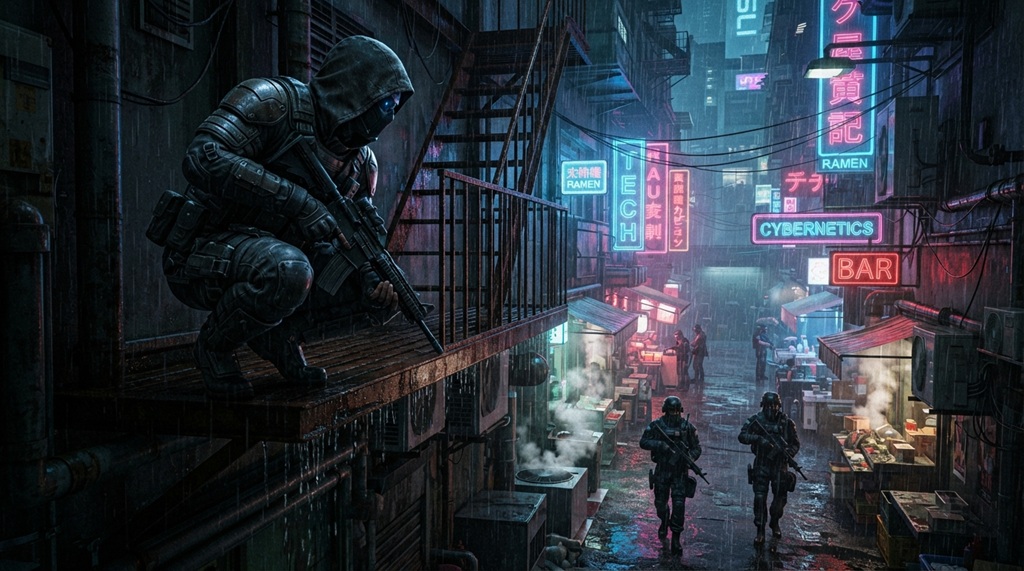
Stealth games punish mistakes fast. One wrong step, and an alarm blares. You get caught, guards swarm, and your careful plan falls apart.
Mastering stealth mechanics comes down to three things: reading enemy behavior, controlling your noise and visibility, and always having an exit plan. This guide breaks down exactly how to do that, no matter which stealth game you’re playing.
By the end, you’ll know how to move through any level without triggering a single alarm. Let’s get into it.
Understand How Enemy Detection Actually Works
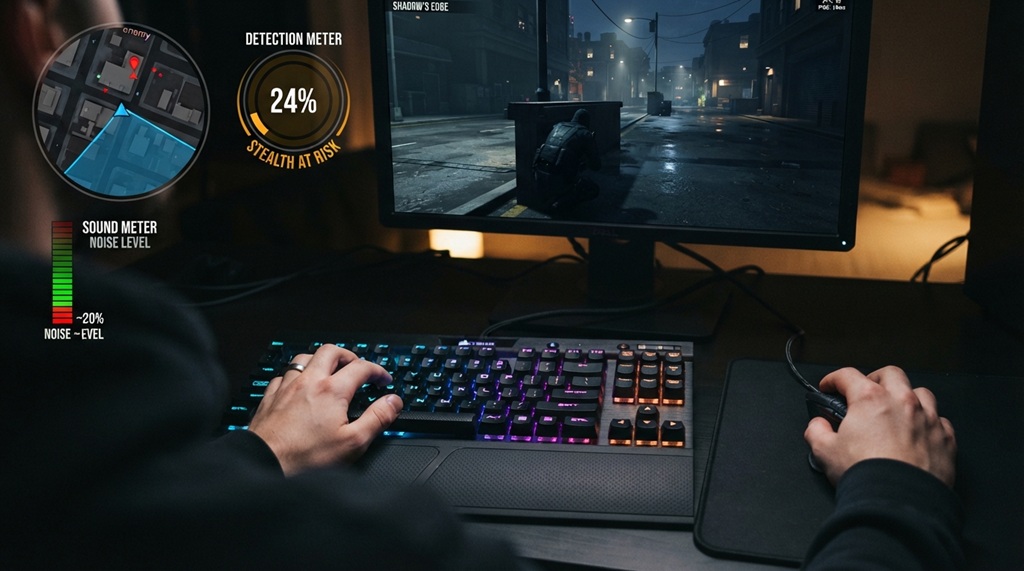
Every stealth game runs on a detection system, even if it’s hidden from you. Enemies use sight cones, hearing radius, and awareness meters to decide when they notice you.
Most games show this visually. A cone of light or color often represents an enemy’s field of view. Yellow usually means “suspicious.” Red means “spotted.” Learn your specific game’s system early, because guessing gets you caught.
Enemy hearing matters just as much as sight. Running, breaking objects, or sprinting past enemies creates noise that travels outward in a radius. Many players ignore this and only think about visibility. That’s a mistake.
Watch Guard Patrol Patterns Before You Move
Guards rarely move at random. They follow set patrol routes, with predictable turns and pauses.
Spend the first 10-15 seconds in any new area just watching. Count how long a guard looks in one direction. Note where blind spots appear during their rotation. This small habit prevents most early-game deaths.
Master the Shift Between Suspicion and Detection
Getting spotted does not equate to instant failure; elite stealth design relies on a grace period—the crucial buffer between an enemy’s curiosity and a full-blown alarm. When an adversary enters a suspicion state, they will typically investigate your last known position or issue a verbal check-in, giving you a small window to break line of sight and freeze. Panicking and sprinting in these moments is a fatal mistake, as footstep audio instantly converts vague suspicion into confirmed tracking. By remaining calm and letting the detection meter drain, you maintain control over the encounter. Once you have perfected these tactical resets and perfected your shadow movements, learn how to climb the ranked ladder fast to apply your precision mechanics in high-stakes competitive play.
Master Your Character’s Movement and Positioning
Movement is the single biggest factor in staying hidden. How you move matters more than where you hide.
Crouching or “sneaking” almost always reduces both your noise output and your visual profile. It’s usually the default stealth stance for a reason. Use it constantly, not just when danger is obvious.
Cover isn’t just about hiding your whole body. Partial cover, like a doorway edge or a low wall, still breaks an enemy’s direct line of sight. Learn to use these smaller gaps instead of only relying on full hiding spots.
Use Environmental Noise to Mask Your Own
Loud environments are your best friend. Rain, machinery, crowds, and background chatter all reduce how far your footsteps or actions carry.
If a level has a generator, a storm, or a busy market area, use it. Move during these noisy moments instead of during quiet stretches. This single trick lets you skip past enemies who would otherwise hear you from across a room.
Avoid Predictable Movement Lines
Many players walk in straight lines toward their objective. Guards, and sometimes AI systems, learn to expect this.
Instead, move along walls, behind objects, and through shadows even when it takes longer. A slightly longer route that keeps you hidden beats a short one that gets you spotted.
Use Light and Shadow to Your Advantage
Shadows reduce your visibility far more than most players realize. In many stealth games, standing in a dark area can drop your detection radius dramatically, sometimes by more than half.
Before entering a new room, scan for light sources. Lamps, windows, and torches all create visible zones you need to avoid or cross quickly.
Some games let you interact with light directly. Shooting out lights, unscrewing bulbs, or sabotaging generators can turn a bright, dangerous room into safe cover. If your game allows it, use this early instead of trying to sneak through lit areas.
Learn Distraction and Manipulation Tools
Distractions solve problems that pure hiding can’t. Throwing an object, whistling, or triggering an environmental sound pulls guards away from your path.
This works because most AI systems investigate noise before assuming danger. A distraction 20-30 feet away can clear a guard from your route for several seconds, which is often all you need.
Time Your Distractions With Guard Rotations
Don’t throw a distraction the moment you see a guard. Wait until they’re near the end of a patrol cycle.
This way, when they investigate the noise, they’re already close to leaving the area anyway. You get a longer window before they return to their original position.
Combine Distractions With Immediate Movement
A distraction only helps if you act on it right away. Many players throw a noisemaker, then wait too long before moving.
The moment a guard turns toward the distraction, move immediately. That two-to-three second window is often your only real opportunity to pass safely.
Plan Your Escape Route Before You Need One
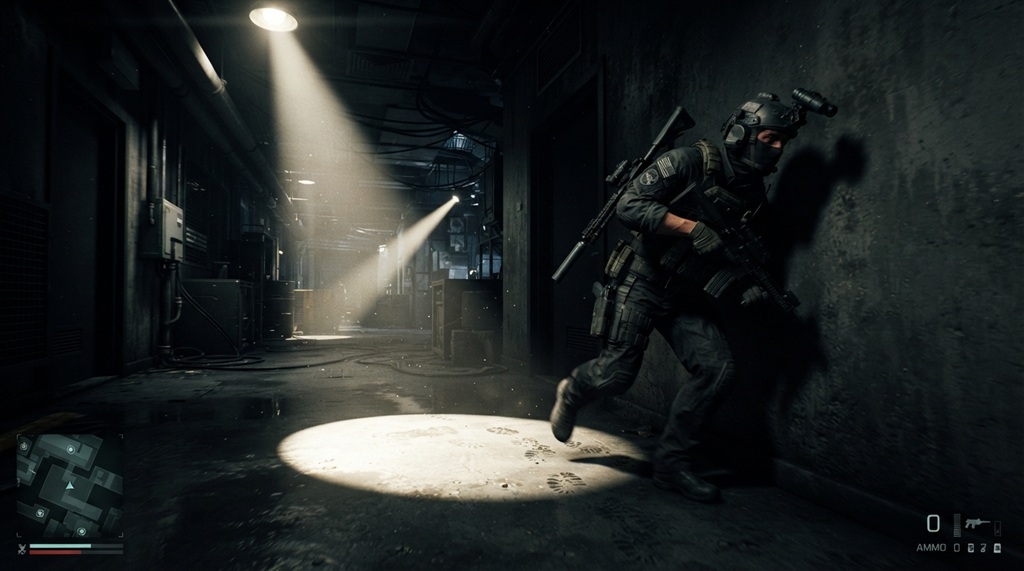
Even perfect stealth runs sometimes go wrong. The players who recover fastest are the ones who planned an exit before trouble started.
Before committing to a risky move, glance around for nearby cover, vents, doors, or drop points. Knowing your nearest hiding spot in advance saves precious seconds if an alarm triggers.
If you do get spotted, don’t always run in a straight line. Many games let you break line of sight around a corner, then double back or hide, resetting the chase instead of extending it.
Adapt Your Strategy to Each Specific Game
Stealth mechanics aren’t identical across games, so a strategy that works in one title might fail in another. Some genuinely useful advice here: study the detection UI feedback your specific game gives you, since this is often the most overlooked stealth skill.
Games like the Metal Gear Solid series rely heavily on sound cones and camera systems. Hitman focuses more on disguises and social stealth. Dishonored leans into supernatural tools like teleportation. Assuming one universal method works everywhere is a common beginner mistake.
Spend your first playthrough of any new stealth game paying attention to its feedback systems instead of rushing objectives. According to industry game design discussions, this kind of environmental awareness separates skilled stealth players from those who rely on trial and error.
Frequently Asked Questions About Stealth Mechanics
What is the most important stealth mechanic to learn first?
Detection awareness matters most. Understanding how enemies see and hear you shapes every other decision you make, including movement, timing, and hiding spots.
Why do I keep getting caught even when hiding?
You’re likely making noise or standing partially visible. Many hiding spots only block sight, not sound, so running or bumping into objects nearby can still give away your position.
Do all stealth games use the same detection system?
No. Each game builds its own rules for sight, sound, and awareness. Always spend time observing how your specific game signals detection before relying on habits from other titles.
Is crouching always necessary in stealth games?
In most games, yes. Crouching typically reduces both noise and visual profile, making it the safest default movement style during any stealth sequence.
How do I recover after triggering an alarm?
Break line of sight immediately, then find cover instead of continuing to run in the open. Many games lower alert status once you stay hidden and quiet for a set amount of time.
Final Thoughts
Stealth mastery isn’t about memorizing one trick. It’s about combining detection awareness, smart movement, environmental use, and backup planning into a single habit.
Start slow. Watch enemy patterns before moving. Use shadows and noise to your advantage. Always know your exit before you need it. Do this consistently, and getting caught becomes the exception, not the rule.