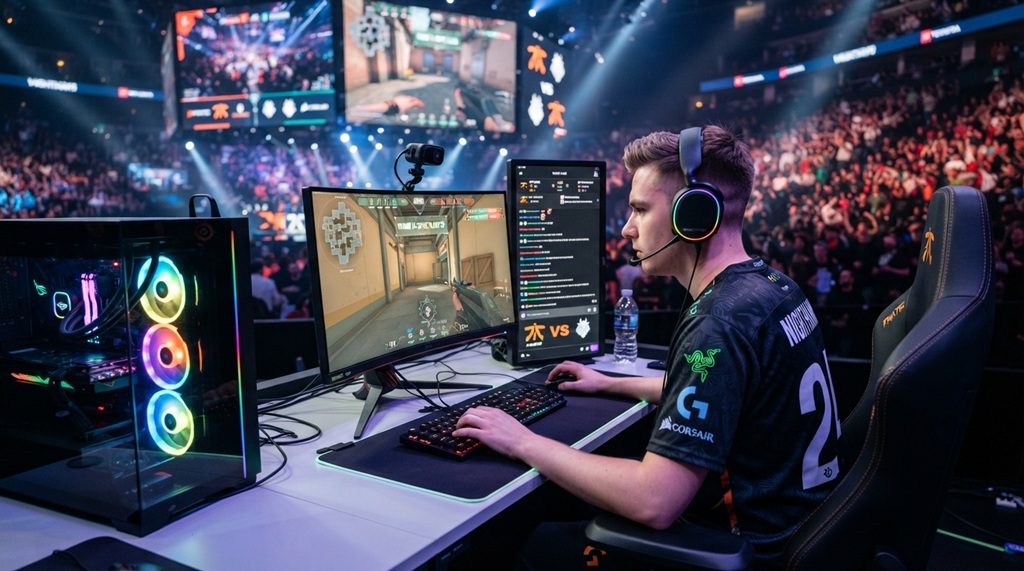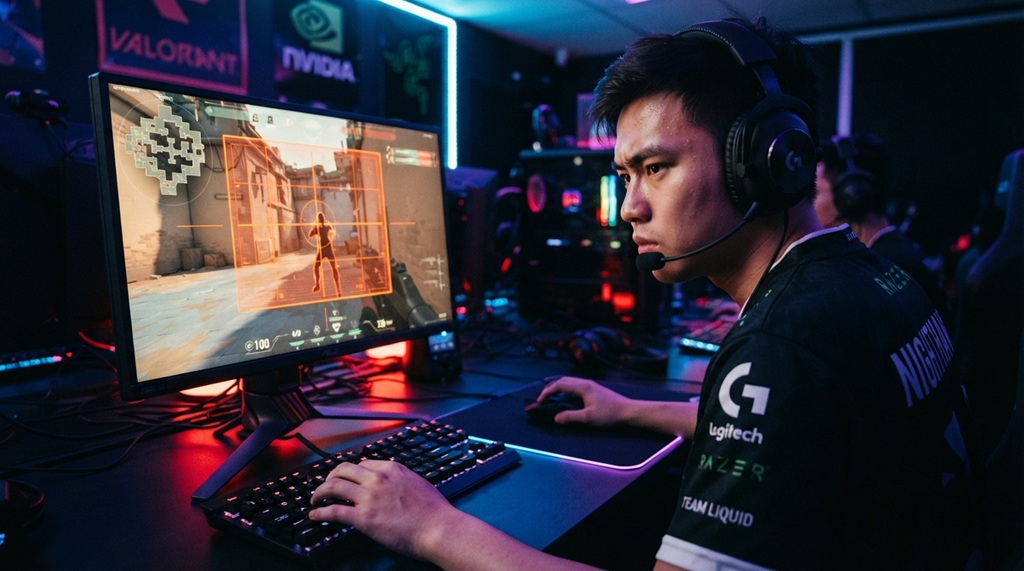
The esports industry has exploded into a multi-billion-dollar global empire, transforming casual gamers into world-class celebrities. For many, becoming a professional gamer or full-time streamer isn’t just a dream—it’s a viable career path. But how do you break into this hyper-competitive arena? In this guide, you’ll learn exactly how to build a thriving esports career with proven strategies, expert insights, and actionable steps.
The Rise of Esports and Streaming
Esports isn’t a fringe hobby anymore. The global esports market was valued at $1.45 billion in 2022 and is expected to grow to $5.48 billion by 2029 (Statista, 2023). Streaming platforms like Twitch, YouTube Gaming, and Kick attract millions of daily users, giving rise to a new class of digital entertainers.
Tournaments like League of Legends World Championship and The International offer prize pools exceeding $30 million, rivaling traditional sports. The opportunity is massive, but so is the competition.
Pro Gamer vs. Streamer: Know the Difference
Before diving in, understand your lane.
- Pro Gamers compete at the highest level. They’re skilled, strategic, and team-oriented. Think Faker, s1mple, or Bugha.
- Streamers focus on content creation. They entertain, build communities, and monetize through ads, donations, and sponsorships. Examples include Ninja, Pokimane, and xQc.
Many combine both roles, but each requires a different approach, skillset, and mindset.
Step 1: Choose Your Game Wisely
Don’t chase trends. Pick a game you genuinely enjoy and excel at. Whether it’s Valorant, Fortnite, CS:GO, or League of Legends, success comes from passion and practice.
Expert Tip:
Stick to one title. Mastering a single game increases your credibility and allows you to climb competitive ladders faster.
Step 2: Master the Mechanics
Raw talent isn’t enough. Pro players spend 8–12 hours a day refining mechanics, learning game meta, and analyzing opponents. Use tools like Aim Lab, OP.GG, or Tracker.gg to evaluate performance.
Skill-building strategies:
- Study top-tier players on YouTube or Twitch.
- Review your replays to identify mistakes.
- Join scrims and amateur tournaments.
Success in esports is 70% skill, 30% strategy. Focus on both.
Step 3: Build a Personal Brand
Your brand is your identity. Whether you’re competing or streaming, your image needs to be professional and memorable.
What works:
- A unique gamer tag and logo
- High-quality overlays, alerts, and stream visuals
- Active presence on platforms like Twitter, TikTok, and Discord
Consistency builds recognition. Recognition brings opportunity.
Step 4: Stream Your Journey
Streaming your gameplay builds exposure. Platforms like Twitch offer affiliate programs, subscriptions, and donation features once you meet specific criteria.
Streaming success formula:
- Stick to a schedule
- Engage with viewers consistently
- Network with other creators and streamers
Entertain, educate, or inspire—just don’t be boring.

Step 5: Enter the Competitive Scene
To become a pro gamer, visibility is key. Participate in local and online tournaments. Use platforms like FaceIt, Battlefy, and ESL Gaming to find events in your region.
Expert Tip:
Start with amateur or semi-pro leagues. Climb your way up as you gain experience and exposure.
Top esports organizations scout talent from smaller circuits. Consistency and perseverance attract recruiters.
Step 6: Join a Team or Organization
Once you’ve proven your skill, it’s time to level up.
How to get noticed:
- Share your tournament results
- Send highlight reels to teams
- Engage on social media with org managers and talent scouts
Many pros start as substitutes or academy players before breaking into top-tier teams.
Step 7: Monetize Your Skills
Multiple income streams build sustainability.
For Pro Gamers:
- Team salary
- Tournament winnings
- Sponsorship deals
- Merchandise
For Streamers:
- Twitch subs and bits
- YouTube ads and memberships
- Brand deals and affiliate links
- Patreon or exclusive content
Top earners like Ninja and Shroud have made millions through diversified revenue.
Common Challenges (and How to Overcome Them)
Burnout:
Mental fatigue hits hard. Maintain a healthy balance between grind and rest. Pro organizations hire sports psychologists to help players stay sharp.
Toxicity:
Online gaming communities can be harsh. Develop a thick skin and moderate your chat diligently. A positive environment attracts loyal fans.
Financial Instability:
Income can be erratic. Treat your career like a business. Track earnings, invest wisely, and save for slow months.
Featured Snippet Q&A
Is it hard to become a professional gamer or streamer?
Yes, but it’s achievable with the right mindset and preparation. Pro gaming and streaming demand high skill, consistency, and dedication. According to Newzoo, only 1% of gamers ever reach a professional level. Success requires a structured routine, deep game knowledge, and strong networking skills. For streamers, the top 5% earn the bulk of the income. But if you stay consistent, build a personal brand, and engage authentically, you can turn your passion into a full-time career.
Real-World Examples
- Kyle “Bugha” Giersdorf won $3 million in Fortnite World Cup at age 16. He trained rigorously, focused on mechanics, and built a brand post-win.
- Imane “Pokimane” Anys started with League of Legends streams, built a strong community, and diversified into lifestyle content.
- TenZ, a former CS:GO player, rose to fame with Valorant. His aim training and strategic play caught the eye of Sentinels and Cloud9.
These aren’t overnight success stories. They’re results of disciplined growth and smart decisions.
Reviews and Opinions from Industry Voices
Richard Lewis, an award-winning esports journalist, believes that the future of gaming careers lies in content creation. “The top 1% of players might go pro. But the top 10% can make a living through streaming and coaching,” he notes.
Esports Insider highlights the importance of business knowledge. Many talented players fail due to poor management or financial planning.
The consensus? Combine talent with strategy and self-promotion. That’s the winning formula.
FAQs About Esports Careers
-
How much do pro gamers earn?
Top players earn between $50,000 to $500,000 annually, not including prize pools or endorsements.
-
Do you need a gaming degree?
No, but esports programs and certifications can boost credibility and open doors to coaching, analysis, or management roles.
-
What’s the best age to go pro?
Most pros peak between 16 and 25, but age isn’t a limitation. Focus on skill and mindset.
-
Is streaming profitable in 2025?
Yes, but it’s competitive. Success requires high engagement and content consistency.
-
How many hours do pro gamers practice?
On average, 8–12 hours per day, including scrims, review sessions, and physical training.
-
Can women succeed in esports?
Absolutely. Players like Scarlett, Valkyrae, and Zainab “zAAz” Turkie have broken barriers and lead successful careers.
-
Is esports a long-term career?
It can be. Many shift into coaching, content creation, or team management after retiring from competition.
Final Thoughts:
Esports isn’t a gamble—it’s a calculated career path for those willing to put in the work. Whether your goal is to win championships or entertain millions, the tools are in your hands. Invest in skill-building, branding, and networking. Stay consistent, and treat your passion like a profession.
Remember: Everyone starts somewhere. The key is starting today.