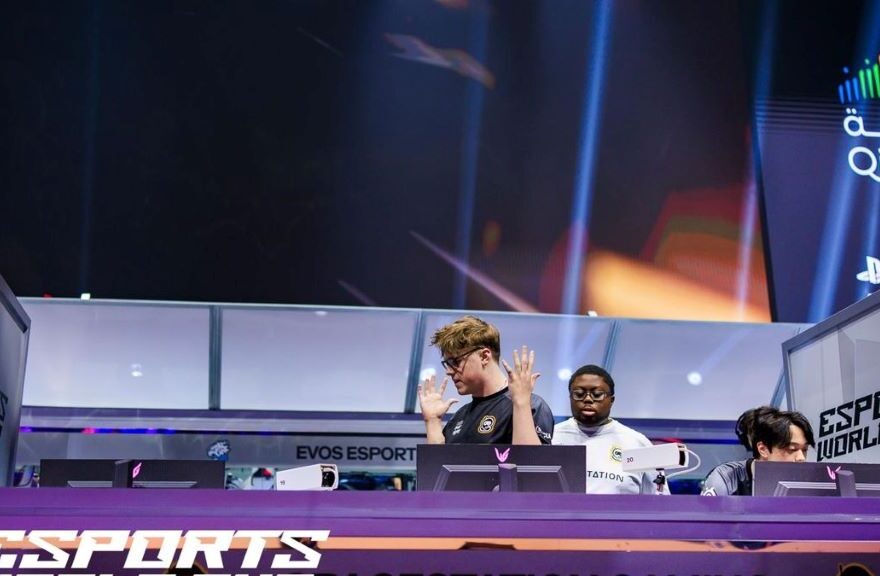
The Esports World Cup (EWC) has emerged as a cornerstone of competitive gaming, uniting players, teams, and fans in a celebration of esports excellence. As the second edition approaches in 2025, one question dominates discussions: How many games are there in the Esports World Cup? The answer is 25 games, a significant step up from the 22 featured in 2024. This expansion reflects the event’s ambition to showcase the diversity and global appeal of esports.
This article explores the 2025 EWC’s game lineup, its significance, and what makes this tournament a must-watch. From the prize pool to participation details, we’ll cover everything you need to know, backed by statistics and expert insights, while addressing the event’s broader context and occasional controversies.
What is the Esports World Cup?
The Esports World Cup is an annual global tournament designed to crown the world’s best esports club while offering the largest prize pool in esports history. Organized by the Esports World Cup Foundation (EWCF) and ESL FACEIT Group, it takes place in Riyadh, Saudi Arabia. The event debuted in 2024 as a rebranded and expanded version of the Gamers8 tournament series, which had already gained attention for its scale.
In 2024, the EWC featured 22 games, attracted 1,500 players from 200 clubs across 100 countries, and offered a $62.5 million prize pool—the largest ever at the time. It drew 500 million online viewers and 2.6 million attendees, cementing its status as a premier esports event. The 2025 edition, running from July 7 to August 24, aims to surpass these figures with a larger lineup and even greater rewards.
How Many Games Are in the 2025 Esports World Cup?
The 2025 Esports World Cup will feature 25 games, an increase from the 22 games in 2024. This expansion, confirmed by sources like Esports Insider and The Times of India, reflects the organizers’ goal to broaden the event’s appeal. The growth from 22 to 25 games may seem modest, but it’s a deliberate move to include more genres and regional favorites, ensuring inclusivity for diverse gaming communities.
This increase matters because it:
- Expands opportunities for players across different games.
- Attracts a wider audience, from FPS fans to strategy enthusiasts.
- Highlights emerging titles alongside established ones, fostering innovation.
However, the event’s location in Saudi Arabia has sparked debate. Critics argue that the country’s human rights record raises ethical concerns, potentially overshadowing the tournament’s achievements. Supporters counter that the EWC’s focus on esports promotes global unity and cultural exchange, making it a net positive for the industry.
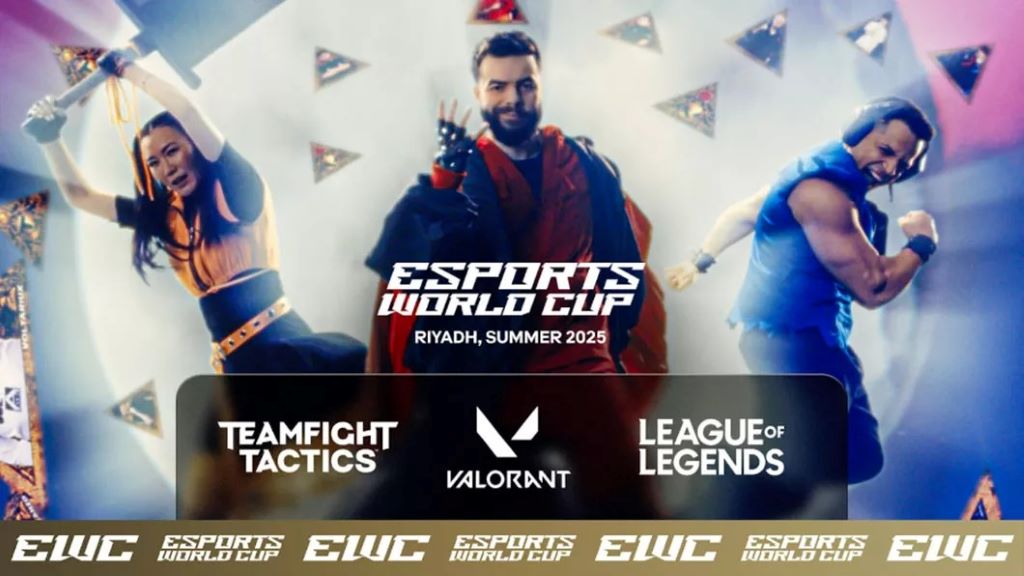
Full List of Games in the 2025 Esports World Cup
The 2025 EWC’s 25 games span multiple genres, ensuring broad appeal. Below is the complete list, categorized by genre for clarity:
| Genre | Games |
| First-Person Shooter | Apex Legends, CS2 (Counter-Strike 2), Valorant, Call of Duty Black Ops 6, Call of Duty Warzone |
| MOBA | Dota 2, League of Legends, Mobile Legends: Bang Bang (MLBB), MLBB Women, Honor of Kings |
| Battle Royale | Free Fire, PUBG PC, PMWC (PUBG Mobile) |
| Fighting | Street Fighter 6, Tekken 8, Fatal Fury |
| Sports & Racing | EA FC 25, Rocket League, ESL R1 Rennsport (Sim Racing) |
| Strategy | StarCraft 2, Chess |
| Other | Rainbow Six Siege, Overwatch 2, Teamfight Tactics |
This lineup includes global heavyweights like League of Legends and Dota 2, mobile giants like Mobile Legends: Bang Bang, and niche titles like Chess, which debuted in 2025 with a $1.5 million prize pool. The inclusion of MLBB Women highlights efforts to promote gender diversity, while games like Fatal Fury showcase new entries in the fighting game community.
Prize Pool: A Game-Changer for Esports
The 2025 Esports World Cup offers a $70 million prize pool, up from $62.5 million in 2024. This figure, reported by Esports Insider, makes it the richest esports event to date. Individual game tournaments have their own prize pools—for example, Counter-Strike 2 offers $1.25 million, and Chess provides $1.5 million—while the Club Competition awards $27 million to the top 16 organizations.
This massive prize pool:
- Attracts elite talent, ensuring high-level competition.
- Signals esports’ financial viability, drawing sponsors and investors.
- Motivates players to pursue esports professionally, validating their efforts.
The Club Competition, where organizations earn points across all games, adds strategic depth. Clubs must balance rosters across multiple titles to maximize points, making the EWC a unique test of organizational strength.
Participation and Global Reach
Over 2,000 players from more than 200 clubs will compete in the 2025 EWC, representing a diverse range of countries. This scale, noted by Esports Insider, underscores the event’s global appeal. In 2024, the tournament featured participants from 100 countries, and 2025 is expected to expand this reach further.
Viewership is another key metric. The 2024 EWC drew 500 million online viewers and 2.6 million attendees, according to The Times of India. With 25 games and a larger prize pool, the 2025 edition could surpass these numbers, making it one of the most-watched sporting events globally. The digital nature of esports allows fans to stream matches from anywhere, enhancing accessibility.
Qualification and Tournament Format
Each of the 25 games has its own qualification process, tailored to its competitive ecosystem. For example:
- League of Legends: Teams qualify through major leagues (LEC, LCS, LCK, LPL) and events like MSI.
- Counter-Strike 2: Global rankings and regional qualifiers determine participants.
- Mobile Legends: Bang Bang: Regional championships like MPL serve as pathways.
The Club Competition sets the EWC apart. Organizations earn points based on their performance across all games they enter, with the top 16 sharing a $27 million prize pool. To win the Club Championship, a team must place in the top eight of at least one tournament and excel overall, adding a layer of complexity to the event.
Controversies and Considerations
While the EWC’s scale and ambition are widely praised, its Saudi Arabian location has drawn scrutiny. Critics, including some fans and analysts, point to Saudi Arabia’s human rights issues, such as restrictions on freedom of expression and gender inequality, as reasons to question the event’s hosting. These concerns have sparked debates about “sportswashing,” where sports events are used to improve a country’s global image.
On the other hand, supporters argue that the EWC fosters global esports growth, provides opportunities for players, and promotes cultural exchange. The event’s massive prize pool and professional production have been lauded for elevating esports’ legitimacy. Balancing these perspectives, the EWC remains a polarizing yet impactful event.
Why the 25 Games Matter
The jump to 25 games in 2025 is more than a number—it’s a statement about esports’ evolution. By including diverse titles, the EWC:
- Broadens its audience, appealing to fans of FPS, MOBA, and even strategy games.
- Supports regional markets, with games like Honor of Kings dominating in China.
- Encourages innovation by spotlighting new titles like Fatal Fury.
This diversity ensures that the EWC isn’t just for hardcore gamers but for anyone who loves competitive entertainment. It also creates more opportunities for players, especially in underrepresented genres or regions.
Expert Tips for Fans and Players
- Explore New Games: With 25 titles, try watching games outside your comfort zone. Chess or Sim Racing might surprise you.
- Track the Club Competition: Follow how organizations like T1 or Team Liquid perform across multiple games for a deeper experience.
- Stay Informed: Check Liquipedia or Esports Insider for updates on schedules and qualifiers.
- Engage Online: Join discussions on X or gaming forums to connect with other fans and share predictions.
Reviews: What the Community Says
The Esports World Cup has earned praise for its ambitious scope and execution. Fans on X and gaming sites commend the event for uniting diverse games under one banner, creating a festival-like atmosphere. Industry experts, like those at Esports Charts, highlight the professional production and massive prize pool as benchmarks for esports events.
However, some community members express reservations about the Saudi Arabian setting, citing ethical concerns. Despite this, the EWC’s impact on player opportunities and industry growth is widely acknowledged, making it a polarizing but influential event.
Looking Ahead: The Future of the EWC
The 2025 Esports World Cup, with its 25 games and $70 million prize pool, is poised to redefine competitive gaming. It’s not just a tournament—it’s a global celebration of esports’ diversity, talent, and potential. As July 7, 2025, approaches, fans can expect thrilling matches, unexpected upsets, and a showcase of the best gaming has to offer.
Whether you’re a die-hard Dota 2 fan or curious about Chess’ esports debut, the EWC has something for you. Mark your calendars, follow the qualifiers, and get ready for a summer of unforgettable competition.
FAQs
-
What is the Esports World Cup?
An annual tournament in Riyadh, Saudi Arabia, featuring multiple games to crown the best esports club.
-
How many games are in the 2025 Esports World Cup?
There are 25 games, up from 22 in 2024.
-
When is the 2025 Esports World Cup?
It runs from July 7 to August 24, 2025, in Riyadh.
-
What is the prize pool for 2025?
The total prize pool is $70 million, the largest in esports history.
-
How do teams qualify for the EWC?
Qualification varies by game, often through regional tournaments or global rankings.
-
What makes the EWC unique?
Its Club Competition rewards organizations for performance across multiple games.
-
Why is the EWC controversial?
Some criticize its Saudi Arabian location due to human rights concerns, though others praise its impact.
Read More: Esports Career: How to Become a Pro Gamer or Streamer