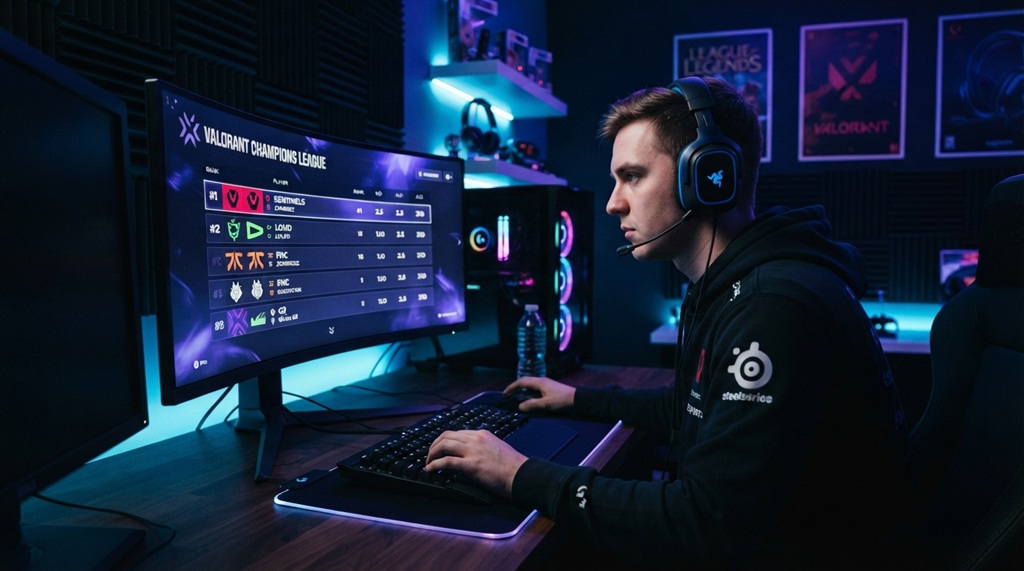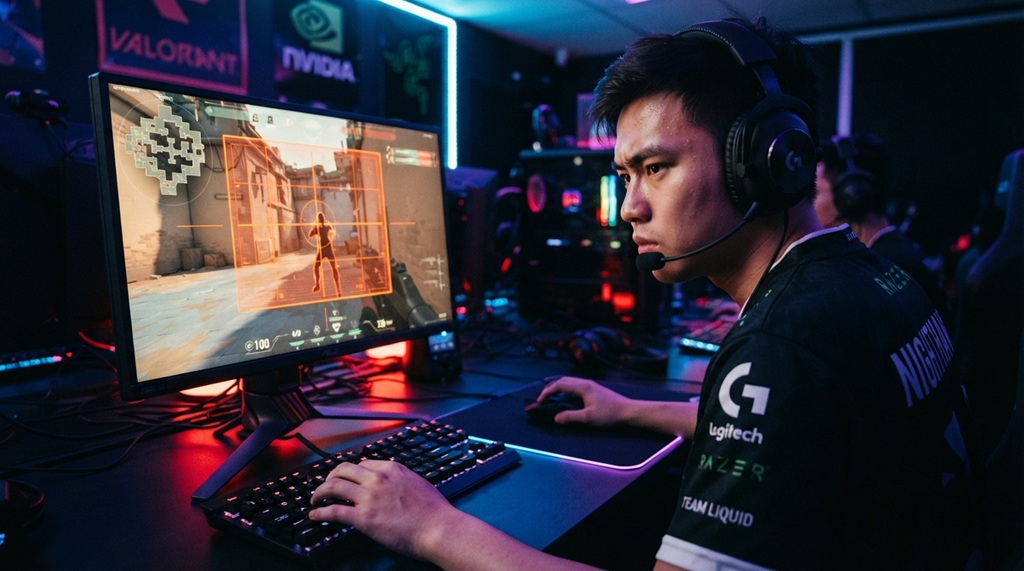
You improve your pro aiming skills by combining daily aim training, correct mouse settings, smart in-game positioning, and consistent practice habits. There is no single trick that fixes bad aim overnight. Pro players build their accuracy through repetition, feedback, and small technical adjustments that stack up over time.
Most players plateau because they practice the wrong way. They play ranked matches for hours but never isolate the specific skill they need to fix. This guide breaks aiming down into clear, practical steps. You can start using them in your very next session.
Whether you play a tactical shooter, a battle royale, or a fast-paced arena game, the fundamentals stay the same. Let’s get into exactly what separates average aim from pro-level aim.
Warm Up With a Purpose Before Every Match

A proper warm-up wakes up your muscle memory and sharpens your reaction time before you queue into a real match. Skipping it is one of the biggest reasons players start games with sloppy first fights.
Spend 10 to 15 minutes on focused drills before you touch ranked or competitive queues. Jumping straight into a match with cold hands often costs you the first two or three engagements. Those early losses can shape your mindset for the rest of the session.
Building an Elite Esports Warm-Up Routine
A solid warm-up bridges raw mechanical skill and competitive readiness, systematically progressing from slow, controlled movements to fast, reactive tracking. Instead of diving straight into a ranked match cold, elite players prime their motor control through structured drills: beginning with three to five minutes of smooth target tracking, progressing to instant flicking on static targets, mastering rapid multi-target switching, and finishing with full-auto recoil control to lock in spray patterns. Purpose-built platforms like Aim Lab and Kovaak’s have become industry standards for these routines, with professional esports athletes regularly utilizing them to fine-tune their muscle memory. Once you have mastered your flick shots and recoil control, remember that sharpening your mechanics is only half the battle; train for an Esports team and get noticed to convert your individual mechanical skill into a professional competitive career.
Fix Your Mouse Settings and Sensitivity First
Your sensitivity setting directly controls how consistent your aim can become, so this step comes before any drilling. A sensitivity that’s too high or too low will sabotage even perfect technique.
Most professional players use a lower sensitivity than casual players expect. Lower sensitivity gives you more physical control over small, precise movements. It does slow down how fast you can turn, so it’s a trade-off.
How to Find Your Ideal Sensitivity
Test your current setting by trying to track a moving target smoothly across your screen. If your crosshair jumps past the target or shakes when you try to stay on it, your sensitivity is too high.
- Lower your sensitivity by 10-15% and test again.
- Repeat until your crosshair moves smoothly without overshooting.
- Once tracking feels stable, test how fast you can flick to a new target.
- Adjust in small increments until both tracking and flicking feel balanced.
A high-quality mouse pad and a mouse with a reliable sensor also matter here. Cheap or inconsistent hardware can undo hours of practice, since your inputs won’t translate accurately on screen.
Train Specific Aiming Skills, Not Just “Aim” in General
Aiming is not one skill. It’s actually a group of separate skills that each need their own practice. Treating aim as one broad category is why many players stop improving.
Break your training into these core categories:
- Tracking: Keeping your crosshair on a moving target.
- Flicking: Snapping your crosshair to a new target instantly.
- Micro-adjustments: Making tiny corrections after your initial flick.
- Target switching: Moving between multiple enemies quickly and accurately.
- Recoil control: Managing your crosshair placement during sustained fire.
Spend 5-10 minutes on each category during your warm-up instead of randomly clicking targets. This targeted approach mirrors how professional teams structure their scrims and individual practice blocks.
Practice Crosshair Placement and Positioning
Great crosshair placement means less distance for your aim to travel, which makes every shot faster and more accurate. This single habit is one of the most underrated aim improvements you can make.
Keep your crosshair at head level at all times, even when you’re not actively fighting. Point it toward common angles where enemies are likely to appear, such as doorways, corners, and chokepoints.
Why This Matters More Than Raw Mechanical Skill
If your crosshair is already near an enemy’s head when they appear, you only need a tiny adjustment to land the shot. If it’s pointed at the floor or off to the side, you’re forced into a large, rushed flick under pressure.
Watch replays of your own deaths and check where your crosshair was positioned right before the fight started. This single habit reveals patterns you can fix immediately, and it costs nothing but time.
Use Real Match Data to Guide Your Practice

Reviewing your own gameplay shows you exactly which mistakes are costing you fights, so you stop guessing at what to improve. Aim training apps are useful, but they can’t replace real game footage.
Record a handful of your ranked or competitive matches. Watch them back and note every death where poor aim was the direct cause. Look for patterns: Are you missing at long range? Struggling with close-range flicks? Losing spray control under pressure?
Once you spot a pattern, build a specific drill around it. This is a genuinely useful step most guides skip entirely. Generic aim training helps everyone a little, but training built around your own weaknesses helps you specifically, and much faster.
Stay Physically and Mentally Ready to Perform
Your physical state directly affects your reaction time and hand steadiness, so it’s part of aim training even though it feels unrelated. Fatigue, poor sleep, and stress all show up in your accuracy stats, even if you don’t notice them consciously.
Take short breaks between matches, especially after a loss. Playing angry or tilted almost always makes your aim worse, since tension in your hand and arm reduces precision. Many competitive players use simple breathing exercises or short walks to reset between games.
Basic habits also matter more than most players expect:
- Get consistent sleep, since sleep deprivation slows reaction time measurably.
- Stay hydrated during long sessions.
- Take a 5-minute break every hour to avoid physical tension building in your wrist and forearm.
- Adjust your monitor height and chair position so your arm stays relaxed while aiming.
Frequently Asked Questions
How long does it take to noticeably improve aim?
Most players notice small improvements within two to three weeks of consistent daily practice. Bigger, more reliable gains usually take one to three months, depending on how much deliberate practice you put in versus casual play.
Is aim training software actually necessary, or can I just play matches?
Aim trainers speed up your progress because they let you isolate specific skills without match pressure or distractions. Playing matches alone still helps, but it mixes aim practice with decision-making, positioning, and game sense, which makes it harder to improve any one skill quickly.
What sensitivity do most pro players use?
There’s no single universal number, since it depends on mouse DPI, monitor size, and the specific game. Most competitive players do lean toward lower sensitivities for better precision, and many pro settings lists are published online if you want reference points.
Should I use a controller or mouse and keyboard for better aim?
Mouse and keyboard generally allows for faster and more precise aiming in most competitive shooters, thanks to direct, one-to-one hand movement. Some games with strong aim-assist systems narrow this gap significantly on controller, so the right choice depends on the specific title you play.
Can bad hardware really hold back good aim?
Yes, inconsistent sensors, poor mouse pads, or high input lag can all sabotage accurate aim regardless of skill level. Investing in reliable, consistent gear removes a variable you don’t want fighting against your practice.
Conclusion
Improving your pro aiming skills comes down to a few repeatable habits: warming up with purpose, dialing in your sensitivity, training specific skill categories, mastering crosshair placement, reviewing your own gameplay, and taking care of your physical state. None of these steps require special talent. They just require consistency.
Start small. Pick one or two areas from this guide, like fixing your sensitivity or reviewing your last few deaths, and build from there. Aim improvement is a long-term project, but every focused session moves you closer to playing at a genuinely competitive level.