
Trading board games online is safe if you follow a few simple rules. Verify the other trader, use secure payment methods, and never skip tracking on your shipment. Most scams happen because one of these steps gets skipped.
The board game trading community is friendly, but it still attracts scammers. They target new traders who don’t know what to check. This guide walks you through every step, from spotting fake listings to shipping your games the right way.
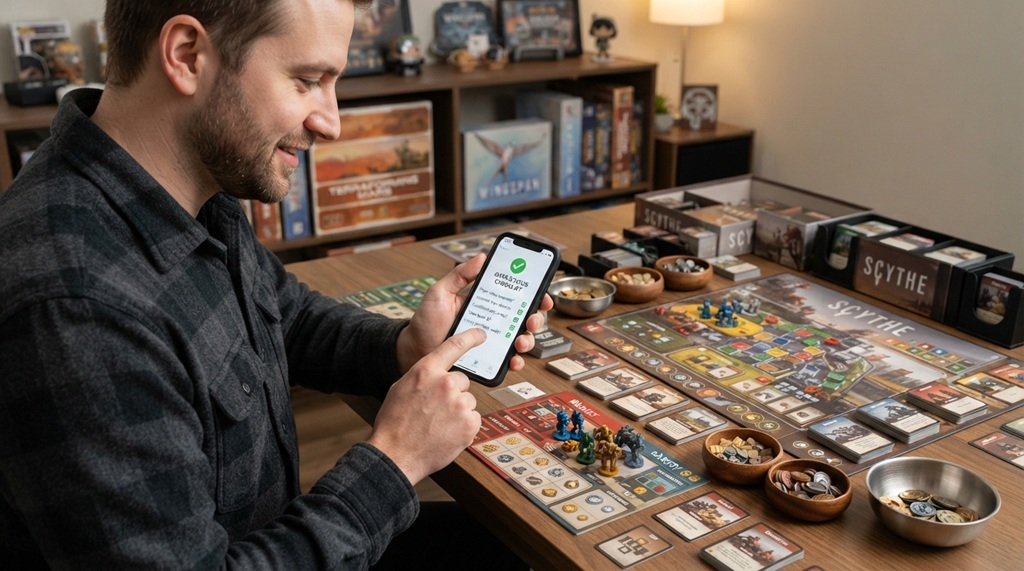
By the end, you’ll have a clear checklist you can use before every trade. No guesswork, no wasted money, and no games lost in the mail.
Common Board Game Trading Scams to Watch For

Most scams follow one of three patterns: fake listings, overpayment tricks, or non-delivery after payment. Once you know these patterns, you’ll spot them fast.
Fake or Duplicate Listings
Scammers copy real listings from trading forums and repost them under a new name. They ask for payment before shipping, then vanish. Always check how long the seller’s account has existed. A brand-new profile posting a rare, in-demand game is a warning sign.
The Overpayment Trick
A buyer sends more money than the asking price, then asks you to refund the difference. The original payment later bounces or gets reversed, and you lose both the game and the refund. Never refund an overpayment. Cancel the trade and start over.
Non-Delivery After Payment
This is the most common scam in the hobby. You pay, and the item never arrives. Sometimes the seller blocks you right after payment clears. This is why payment method and seller verification matter so much, which we cover next.
Choose a Trading Platform With Built-In Protection
Pick a platform that offers buyer protection, seller ratings, and a dispute process. These three features catch most scams before money changes hands.
Trusted Marketplaces for Board Game Trading
BoardGameGeek’s Geek Market remains the gold standard for tabletop exchanges, utilizing a robust, time-tested user rating system to foster accountability and protect buyers. While active communities on Reddit’s r/boardgames and dedicated Facebook groups offer high volume and niche finds, they lack integrated transaction safeguards, making independent verification crucial. Before committing to any swap on these platforms, accurately evaluating your collection using this guide on how to price used game gear for quick cash and trades ensures you negotiate leverage, set fair terms, and secure a mutually profitable trade every time.
Why Ratings and Trade History Matter
A trader with dozens of completed trades and positive feedback is far less risky than someone with zero history. Check the dates on their reviews too. A wall of five-star ratings posted in one week can be faked. Real trade history builds up slowly, over months or years.
Verify the Other Trader Before You Commit
Before you agree to anything, confirm the other person is who they say they are. This single step prevents most scams before they start.
Start by checking their trade history and how long their account has existed. Ask if they’re active in other gaming communities, and look them up there too. A trader with a consistent presence across multiple platforms is much safer than someone who only exists in one thread.
If something feels off, trust that instinct. Scammers often rush you, avoid direct questions, or refuse video calls to confirm the item’s condition. A genuine trader won’t mind answering a few extra questions before a trade.
Use Secure Payment Methods Every Time
Always use a payment method that offers buyer protection, like PayPal Goods & Services. Never send money through friends-and-family options, gift cards, or wire transfers for a stranger trade.
Friends-and-family payments skip buyer protection entirely. Scammers push for this method because it’s nearly impossible to reverse. If a trader insists on it and refuses any alternative, walk away. This is one of the clearest scam signals in the hobby.
For high-value trades, consider using an escrow service or asking a trusted third party in your gaming community to hold funds until both sides confirm the shipment arrived. Many long-time collectors use this method for trades over $200, and it adds almost no extra cost.
Ship and Receive Games the Smart Way
Always use tracked shipping, and share the tracking number with the other trader right away. This protects both sides and gives you proof if something goes wrong.
Photograph Everything Before You Ship
Take clear photos of the game’s condition, the box contents, and the sealed package before you send it. This protects you if the buyer later claims the item arrived damaged or incomplete. Keep these photos until the trade is fully confirmed on both ends.
Insure Valuable Games
For rare or expensive games, add shipping insurance. Most postal services offer this for a small fee. It’s a minor cost compared to losing a $150 game to damage in transit.
Confirm Delivery Before Closing the Trade
Don’t mark a trade as complete until the other person confirms the item arrived in good condition. This final check closes the loop and creates a record you can point to if a dispute comes up later.
Red Flags That Mean You Should Walk Away
Certain warning signs show up again and again in board game trading scams. Learn these, and you’ll avoid most bad trades before they start.
- The trader pushes for friends-and-family payment or gift cards
- Their account is new with no trade history
- They refuse to send extra photos or a quick video of the item
- They rush you or create false urgency (“someone else wants it right now”)
- Their listing price is far below market value for a rare game
- They ask you to move the conversation off the trading platform immediately
One insight many guides skip: check whether the seller’s writing style matches their profile history. Scammers often take over hacked accounts with years of genuine trade history, then post scam listings using a slightly different tone or grammar pattern. If a trusted trader’s messages suddenly read differently, or they push for a payment method they’ve never used before, pause the trade and reach out through a separate channel to confirm it’s really them.
Frequently Asked Questions
Is it safe to trade board games with strangers online?
Yes, if you verify the trader’s history, use protected payment methods, and ship with tracking. Most trades in the hobby go smoothly. Problems usually happen when one of these safety steps gets skipped.
What payment method is safest for board game trades?
PayPal Goods & Services is the most widely used option because it offers buyer protection and a dispute process. Avoid friends-and-family payments, gift cards, or wire transfers with anyone you haven’t traded with before.
What should I do if a trader asks for payment before shipping?
This is normal for many trades, but only send payment through a protected method with a trader who has verified history. If they’re new or unrated, ask to split the trade or ship at the same time using tracked mail both ways.
How do I know if a board game listing is fake?
Check the account’s age, trade history, and photo quality. Scammers often use stock photos instead of real pictures of the actual game. A listing priced far below market value for a rare or sought-after title is also a common warning sign.
What should I do if I get scammed while trading a board game?
Report the trader to the platform immediately and file a dispute with your payment provider if you used a protected method. Post a warning in the relevant trading community so other collectors don’t fall for the same scam.
Conclusion
Trading board games online doesn’t have to be risky. Verify your trader, use a payment method with buyer protection, ship with tracking, and trust your instincts when something feels off. Follow these steps every time, and you’ll trade with confidence instead of worry.
The board game community is built on trust between collectors. A little caution on each trade keeps that trust intact for everyone.