
You climb the ranked ladder fast by fixing three things: your mindset, your mechanics, and your match selection. Most players lose rank not because they lack skill, but because they play too many games in a bad mental state, pick the wrong roles, or repeat the same mistakes without reviewing them.
This guide breaks down exactly what separates players who climb steadily from players who stay stuck in the same rank for months. You don’t need to play 12 hours a day. You need to play smarter, track your progress, and cut out the habits that quietly cost you games.
Every tip below works across most competitive games, from MOBAs to shooters to card games. Where a tip is game-specific, we’ll say so.
Master Your Mindset Before You Touch Mechanics
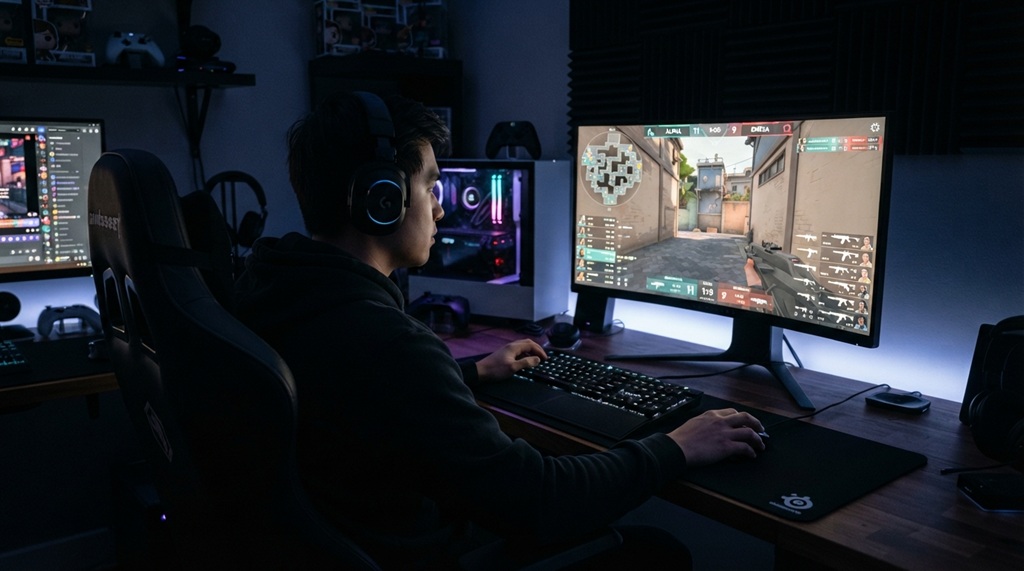
Your mindset decides more ranked games than your aim or your combos. A tilted player makes worse decisions, even with perfect mechanical skill.
Set a Loss Limit for Every Session
Stop playing after two or three losses in a row. Research on decision-making under stress shows that frustration lowers focus and slows reaction time. Players who keep queuing after a tilt streak usually drop more rank than they gain back.
Pick a number that works for you. Some players stop after one loss. Others stop after three. The number matters less than sticking to it every session.
Track Your Wins and Losses Honestly
Write down every game’s result and one reason you won or lost. This takes 30 seconds per game. Over two weeks, patterns appear that you’d never notice otherwise.
You might discover you lose most games in a specific matchup. You might notice you win more when you play in the morning. This data beats guesswork every time.
Fix Your Mechanical Weaknesses With Targeted Practice
Ranked games do not build mechanical skill efficiently. Practice modes and custom drills do that job better.
Identify Your Weakest Skill First
Watch your last five ranked replays and note where you lose fights or make mistakes. Most players have one or two skills dragging down their whole performance. Fixing that one weak point often helps more than grinding ranked games blindly.
Common weak points include:
- Poor positioning during team fights
- Slow reaction time on defensive plays
- Inconsistent resource or economy management
- Weak decision-making under pressure
Master Core Mechanics Through Isolated Practice
Spending just 15 to 20 minutes before every competitive session drilling a specific weakness in dedicated aim trainers, custom game modes, or practice arenas accelerates muscle memory far more effectively than jumping straight into high-stakes matches. Elite esports professionals rarely use ranked games as a testing ground; instead, they refine complex mechanics in isolated environments where mistakes carry zero penalty and repetitive execution yields compounding results. Once you consistently sharpen your mechanical precision in these safe sandboxes, you can effortlessly apply that polished skill set on the ladder—and if you are looking to monetize the elite mechanics you build, discover how Tibia Coins allow gamers to earn real income through high-level play.
Choose the Right Role or Champion Pool
A smaller, well-practiced pool of characters or roles beats a wide pool played poorly. This is one of the most overlooked ranked tips.
Limit Yourself to Two or Three Options
Pick two or three characters, decks, or loadouts and learn them deeply. Switching constantly between options resets your learning curve every game. Deep knowledge of a few tools beats shallow knowledge of many.
This applies to almost every competitive game. A shooter player who masters two weapons outperforms one who switches loadouts every match. A MOBA player who mains three champions climbs faster than one who plays twenty.
Counter-Pick When It Actually Matters
Learn which of your chosen options counters common threats in your rank bracket. You don’t need to counter-pick every game. But knowing your options gives you flexibility when the match calls for it.
Play the Meta, Not Your Comfort Zone
The current meta reflects what’s strong right now. Ignoring it costs you winnable games.
Check Patch Notes Before Each Ranked Season
Read the patch notes every time your game updates. Balance changes shift which characters, strategies, or builds are strong. A build that dominated last season might be weak now.
This doesn’t mean you must abandon your favorites. It means you should understand how changes affect your chosen pool, so you can adjust your playstyle accordingly.
Watch High-Rank Gameplay for New Ideas
Watch streams or replays from players several ranks above you. Notice how they position, when they take fights, and how they use resources differently than you do. This exposes you to strategies you wouldn’t discover alone.
You don’t need to copy everything. Pick one or two ideas per session and try them in your own games.
Manage Tilt and Burnout to Protect Your Progress
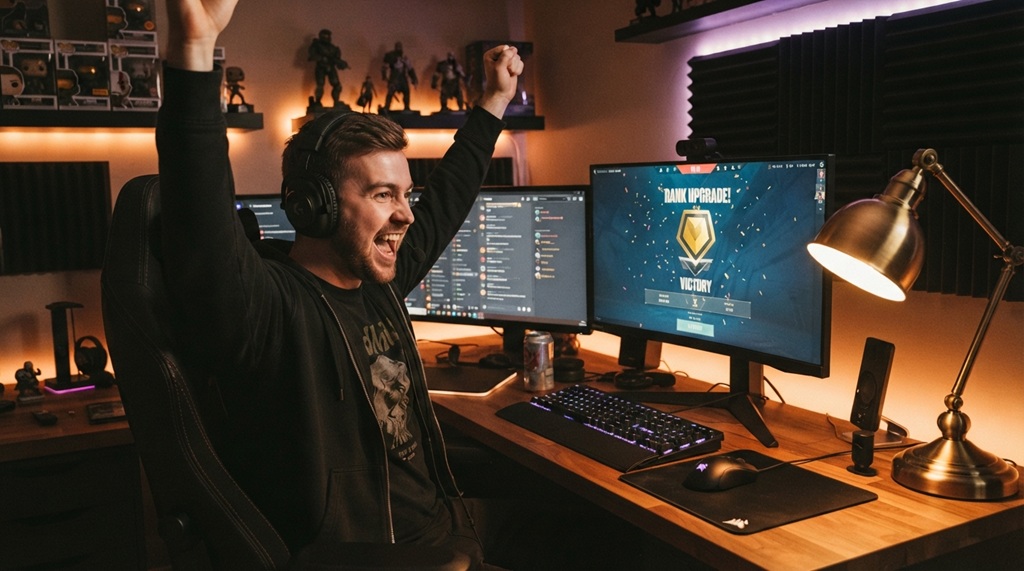
Burnout undoes weeks of ranked progress faster than any single loss. Managing it protects the gains you’ve already made.
Recognize the Early Signs
Watch for irritability, rushing decisions, or blaming teammates more than usual. These signs appear before you notice you’re actually tilted. Catching them early lets you stop before you lose rank you’ve already earned.
Take Real Breaks, Not Just Different Games
Step away from the game entirely for at least an hour, not just switch to a different mode. Your brain needs actual rest to reset focus and patience. Players who take short breaks between sessions often return with sharper decision-making.
Use Data and Replays to Find Hidden Mistakes
Most ranked players never review their own gameplay. This single habit separates climbers from players stuck at the same rank.
Here’s an angle most guides skip: review your winning games, not just your losses. Players often assume they won because they played well, but many close wins hide the same mistakes that cause losses in tougher matches. Reviewing wins shows you which errors your opponents simply didn’t punish yet errors that will cost you rank once you face better players.
Set aside 15 minutes after your session, not during it, to review one game. Look for:
- Moments you hesitated when you should have committed
- Resource or cooldown mismanagement
- Positioning errors that didn’t get punished this time
Frequently Asked Questions
How many hours a day should I play to climb ranked fast?
Quality matters more than quantity. Two to three focused hours with mindset breaks and replay review usually beats five unfocused hours. Long sessions without breaks tend to lower your win rate as fatigue builds.
Is duo queue better than solo queue for climbing?
Duo queue can help if your partner communicates well and covers your weak points. It can hurt if you both tilt together or play worse roles for the team. Choose partners based on how they affect your focus, not just their individual skill.
Should I switch roles or characters if I’m stuck in a rank?
Switching can help if your current pool has a bad matchup spread against common opponents in your bracket. It rarely helps if the real issue is mechanics or decision-making. Diagnose the actual problem first with replay review before you switch.
How long does it typically take to climb a full rank?
This varies widely by game, current skill gap, and how much focused practice you put in. Some players jump a rank in a week with targeted drills. Others take a full season. Consistent, honest self-review speeds this up more than raw playtime.
Does watching pro players actually help me climb?
Yes, but only if you actively study specific decisions rather than passively watching. Pick one mechanic or decision-making pattern per stream and try applying it in your own games. Passive watching without application rarely translates into rank gains.
Final Thoughts
Climbing the ranked ladder fast comes down to a few repeatable habits: protect your mindset, drill your weak points, narrow your champion or loadout pool, stay current with the meta, and review your own games honestly. None of these require extra talent. They require consistency.
Start with one change this week. Track your losses, set a loss limit, or review a single replay. Small, consistent adjustments compound faster than any single “secret” trick ever will.